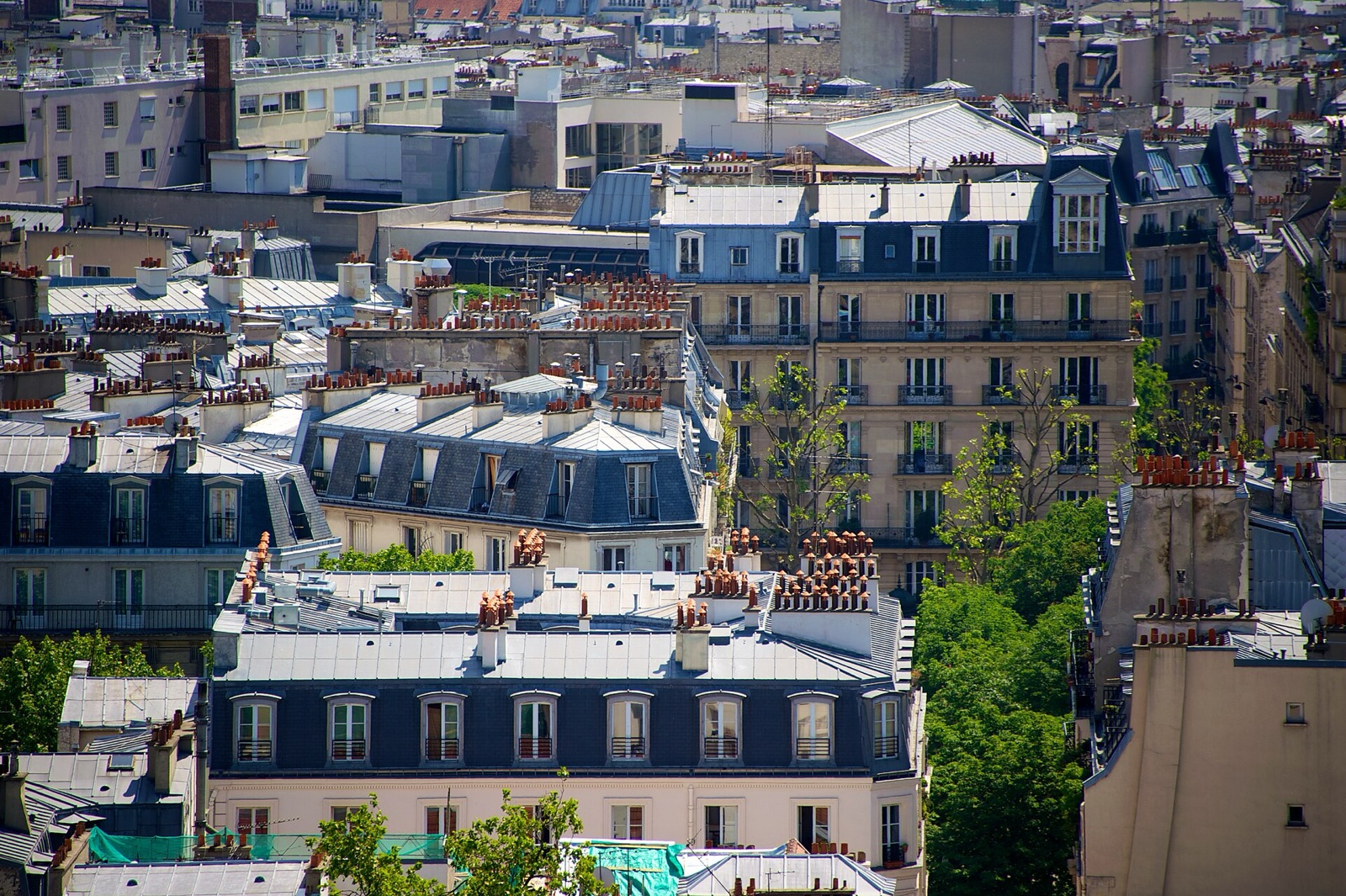
1924
Born on the Left Bank
22 May, the rue d’Assas. Armenian parents, a restaurant in the rue de la Huchette, and a grandfather who may have cooked for the last Tsar.
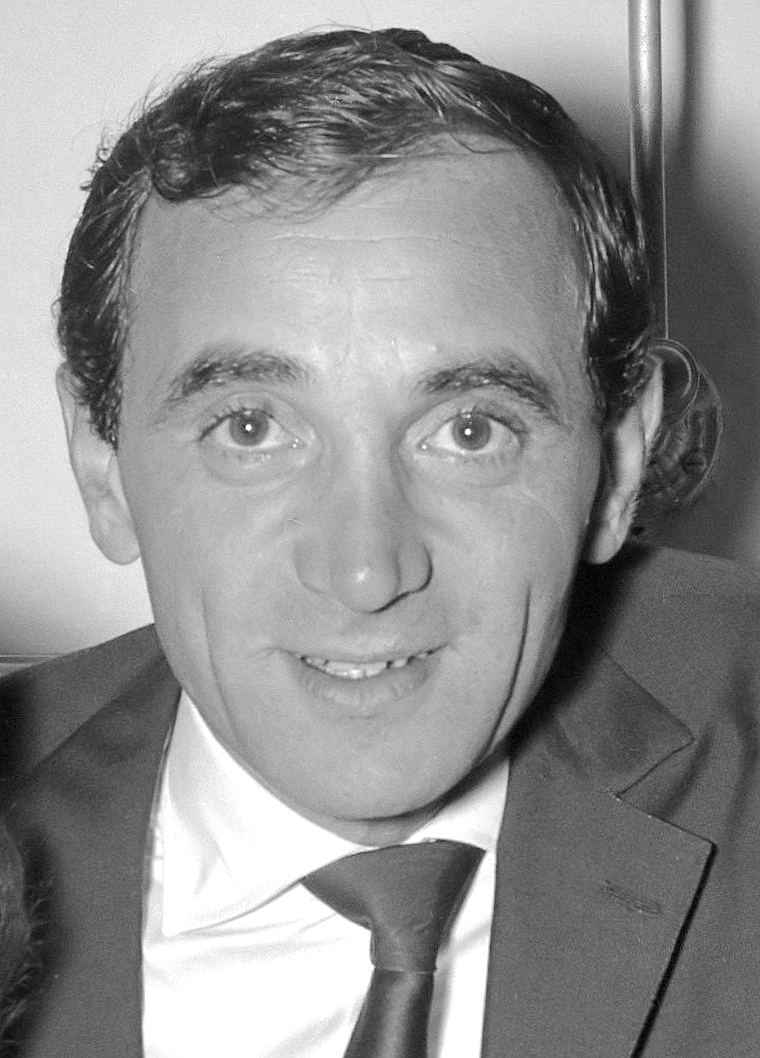
Շառլ Ազնավուր · the voice of France, the pride of Armenia
He wrote a thousand songs, made ninety-one albums and acted in eighty films. Eight years this October since the last encore — this page walks his life year by year, and sends you to YouTube for the songs themselves.
Overture
“Before Aznavour, despair was unpopular.”
Jean Cocteau, who cast him in Le Testament d’Orphée, 1960
Charles Aznavour was born in Paris in 1924 to Armenian parents, and died at home in the south of France in 2018. In between he sang in nine languages, wrote more than a thousand songs, broke a taboo nobody had asked him to break, and spent the last thirty years of his life rebuilding a country he had not lived in since childhood.
He stood 1.60 m tall, sang with a tenor voice he was told was too slight, and was still adding languages to it at eighty.
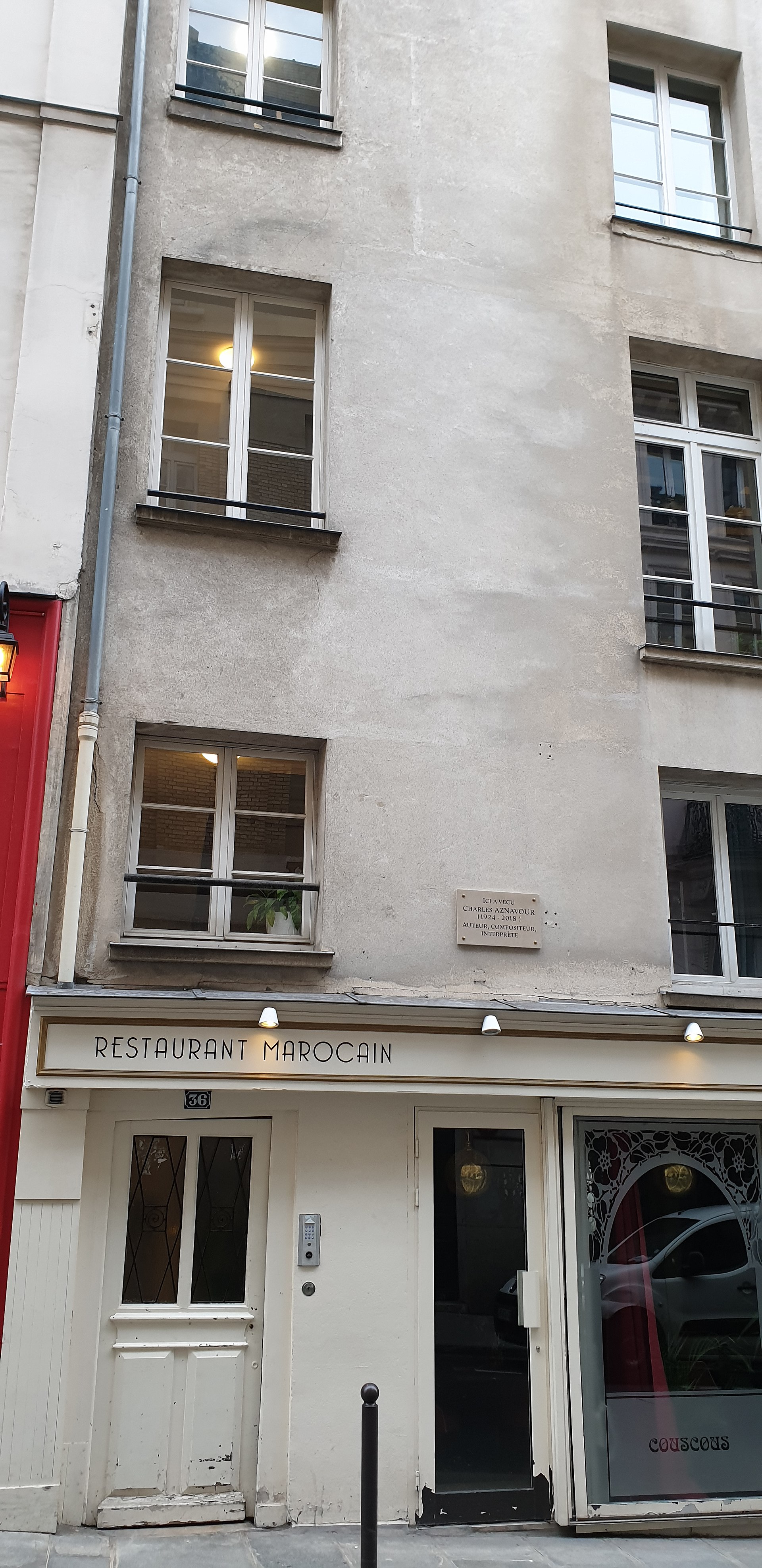
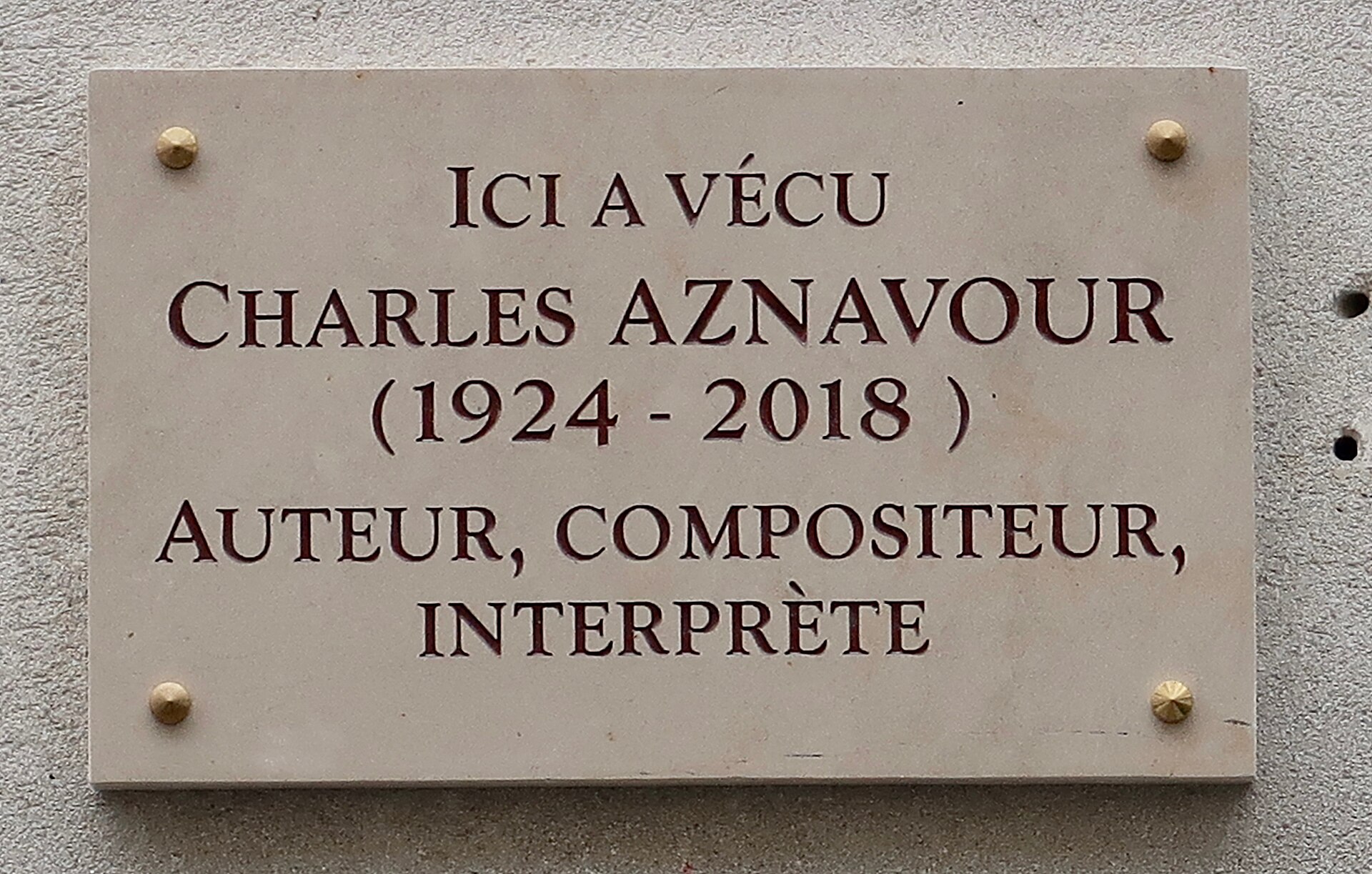
36 rue Monsieur-le-Prince · the plaque · Montmartre above it
Chapter one · 1924
He was born on 22 May 1924 at the clinic Tarnier, 89 rue d’Assas, Saint-Germain-des-Prés. His father, Misha, came from Akhaltsikhe in present-day Georgia; his mother, Knar, from Adapazarı in present-day Turkey. He was named Shahnour Vaghinag Aznavourian. An older sister, Aida, had been born in January 1923 in Thessaloniki.
The family lived at 36 rue Monsieur-le-Prince and ran a small Armenian restaurant in the rue de la Huchette — a street of theatres and nightclubs — until the Depression closed it. A family legend claimed his grandfather had cooked for the last Tsar. Aznavour joked that the Czar used to eat there “every 150 years.”
At nine he left school and took the stage name Aznavour, Armenian for nobleman. He danced in nightclubs, went back to school at fifteen, and in 1944 formed a partnership with actor Pierre Roche. They wrote their first song, J’ai Bu, and took it across the Atlantic to Canada.
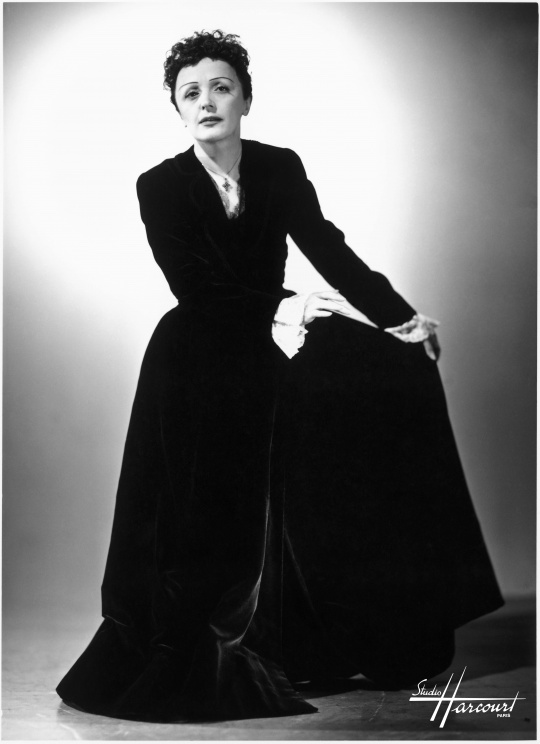
Édith Piaf · Studio Harcourt, 1950
Chapter two · the godmother
Early on he was booked to open for Édith Piaf. She told him to make singing his career rather than dancing, and helped him develop the voice that reviewers had been assured was too slight. He became her secretary and her driver, and toured France and America with her.
“T’es un génie, mais t’es con ! ”
“You are a genius, but you are an idiot.” — Édith Piaf, Le Point, 6 October 2018
It was her instruction to stop under-using himself. He never forgot it, wrote Plus bleu que le bleu de tes yeux for her, and said later that she pushed him towards the microphone, corrected his phrasing, and insisted he sing his own words.
Chapter three · 1924 — 2018
Drag, or use ← →, to move along
22 May, the rue d’Assas. Armenian parents, a restaurant in the rue de la Huchette, and a grandfather who may have cooked for the last Tsar.
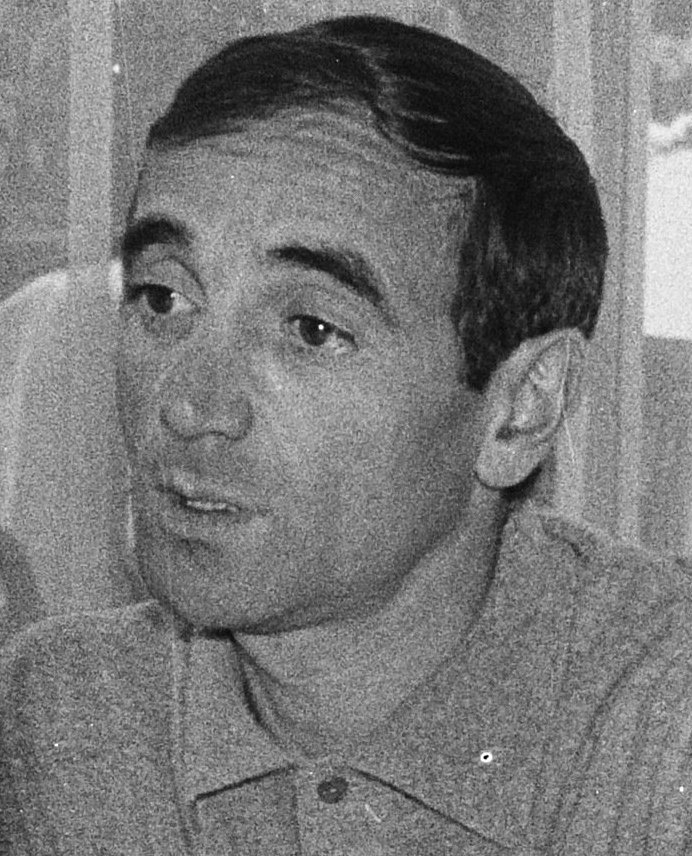
At nine he leaves school, takes the name Aznavour — nobleman, in Armenian — and never stops for the critics who write him off.
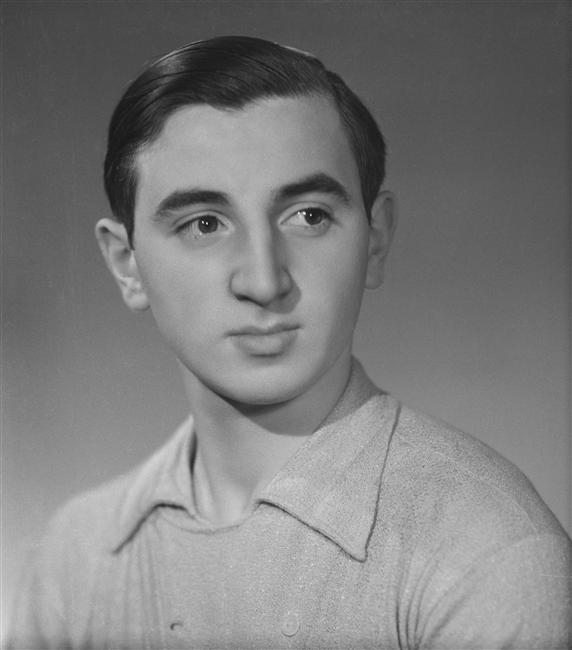
Dancing in the Paris cabarets while the city was being bombed. He is called to the shelters; he sings instead.
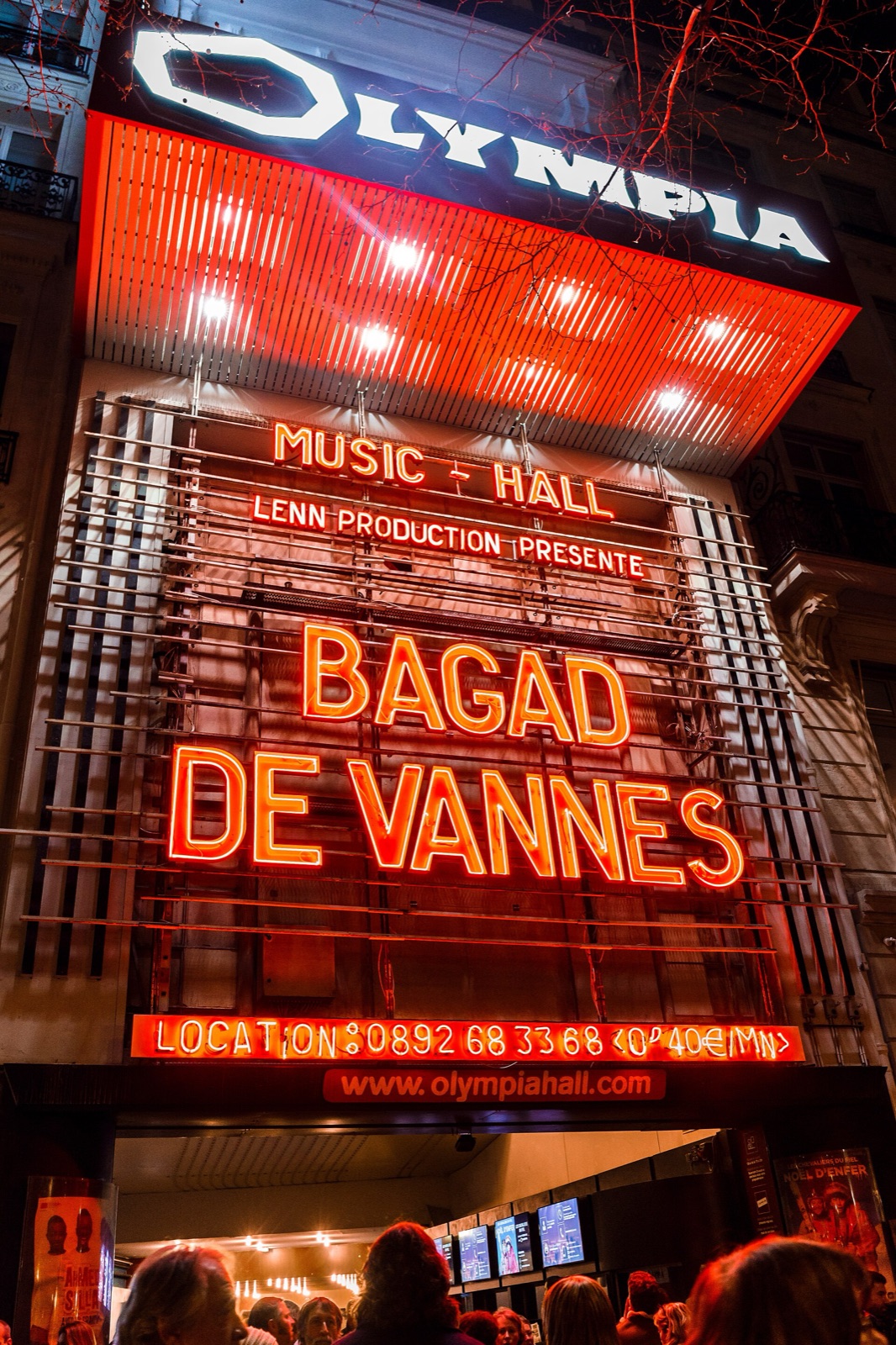
Summer, in the temple of French song. Part of the audience whistles him off. The press is crueler. He comes back anyway, every year, for thirty of them.
The Olympia, photographed today
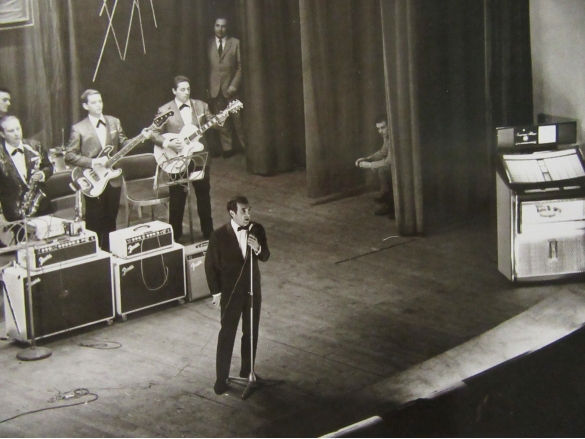
12 December. The press finally admits him dans la cour des grands. The same year Truffaut casts him as a café pianist in Tirez sur le pianiste.
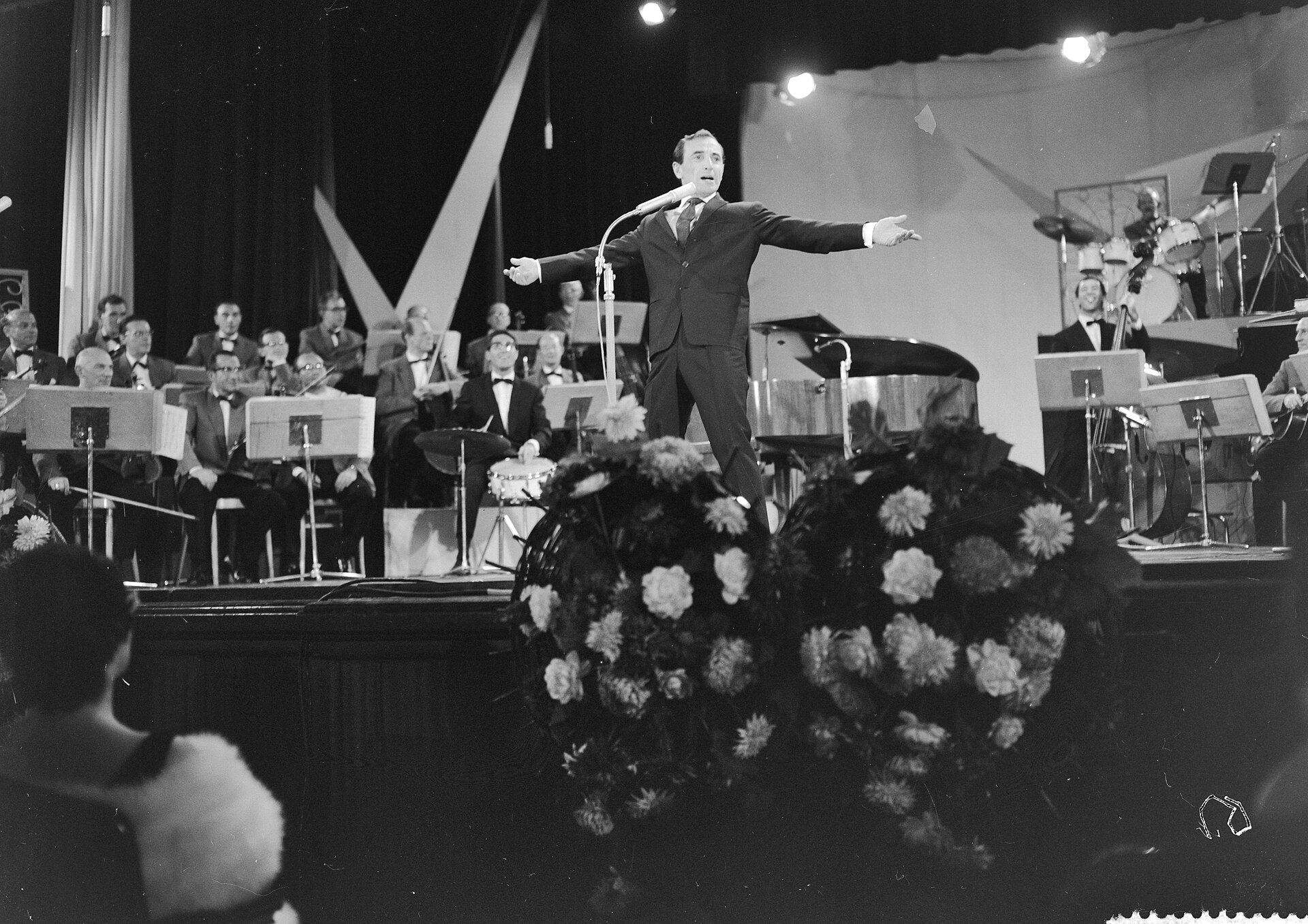
The sound he had been building since the dance halls of the 1940s, arriving all at once. Grand Gala du Disque, Scheveningen; the international years begin.
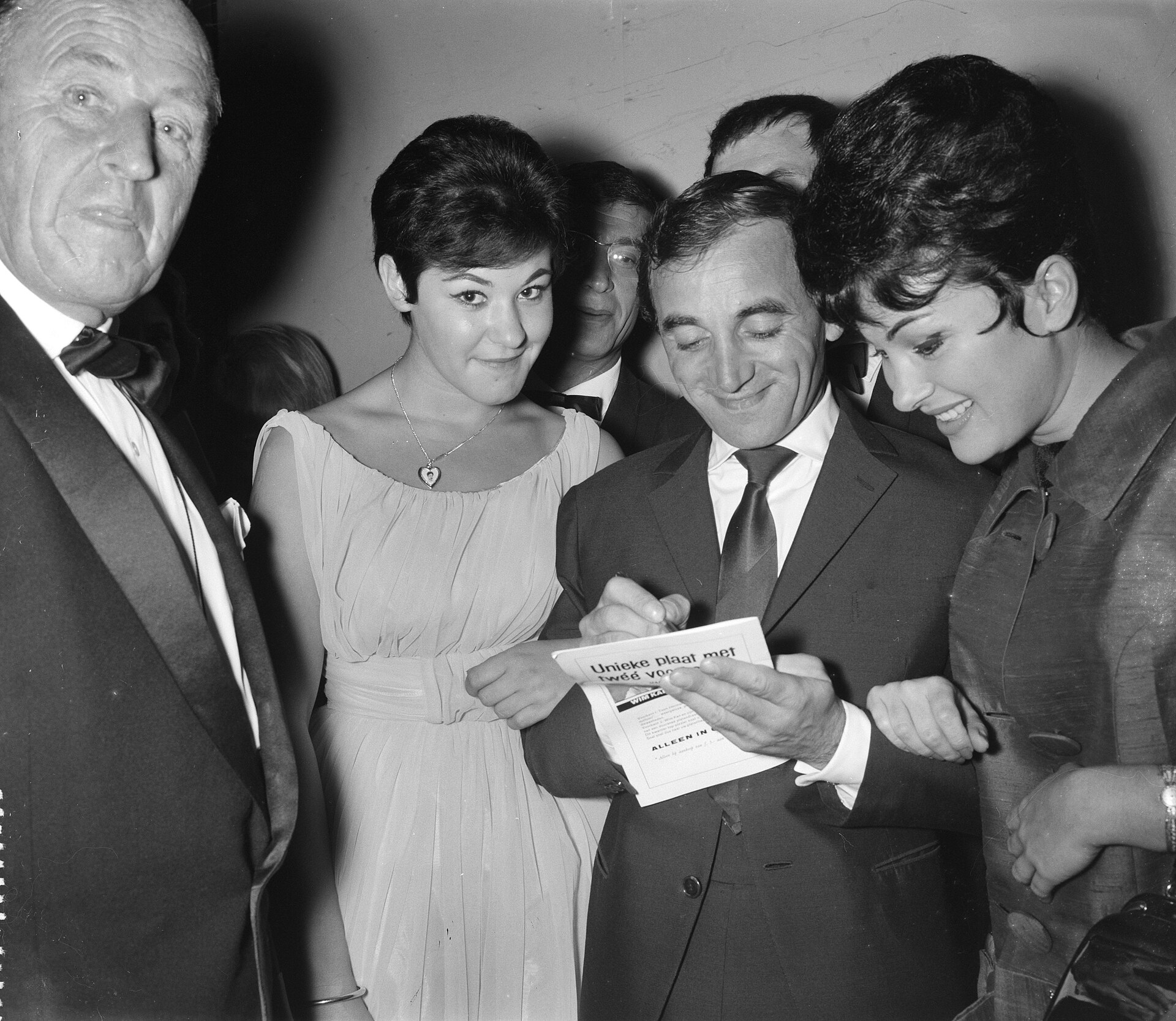
A Dutch leaflet advertising a record with two vocals. He is thirty-seven and already a headline in three languages.
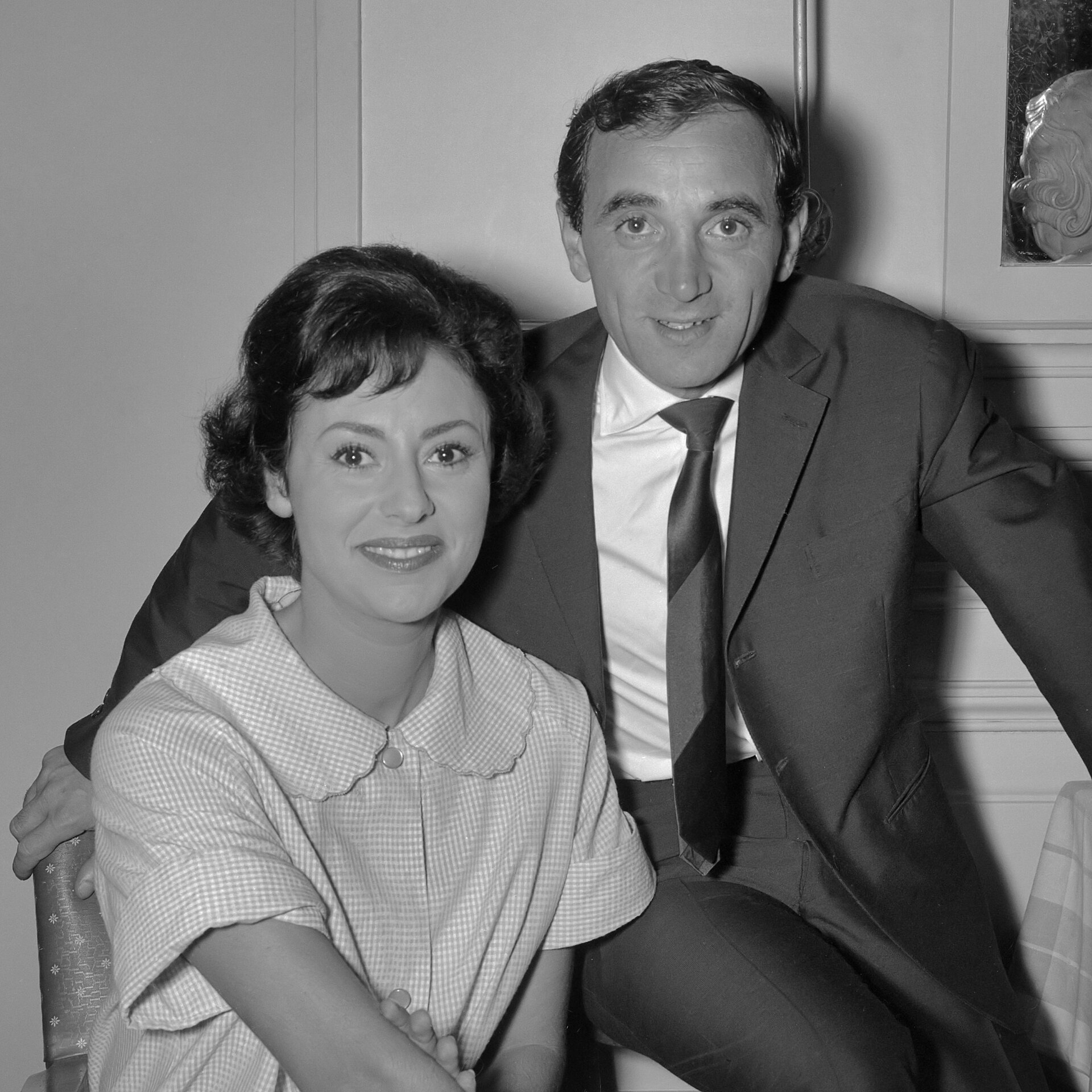
The unglamorous other half of a stage career: a room after the show, a woman in a gingham blouse, a cigarette, and the long drive to the next town.
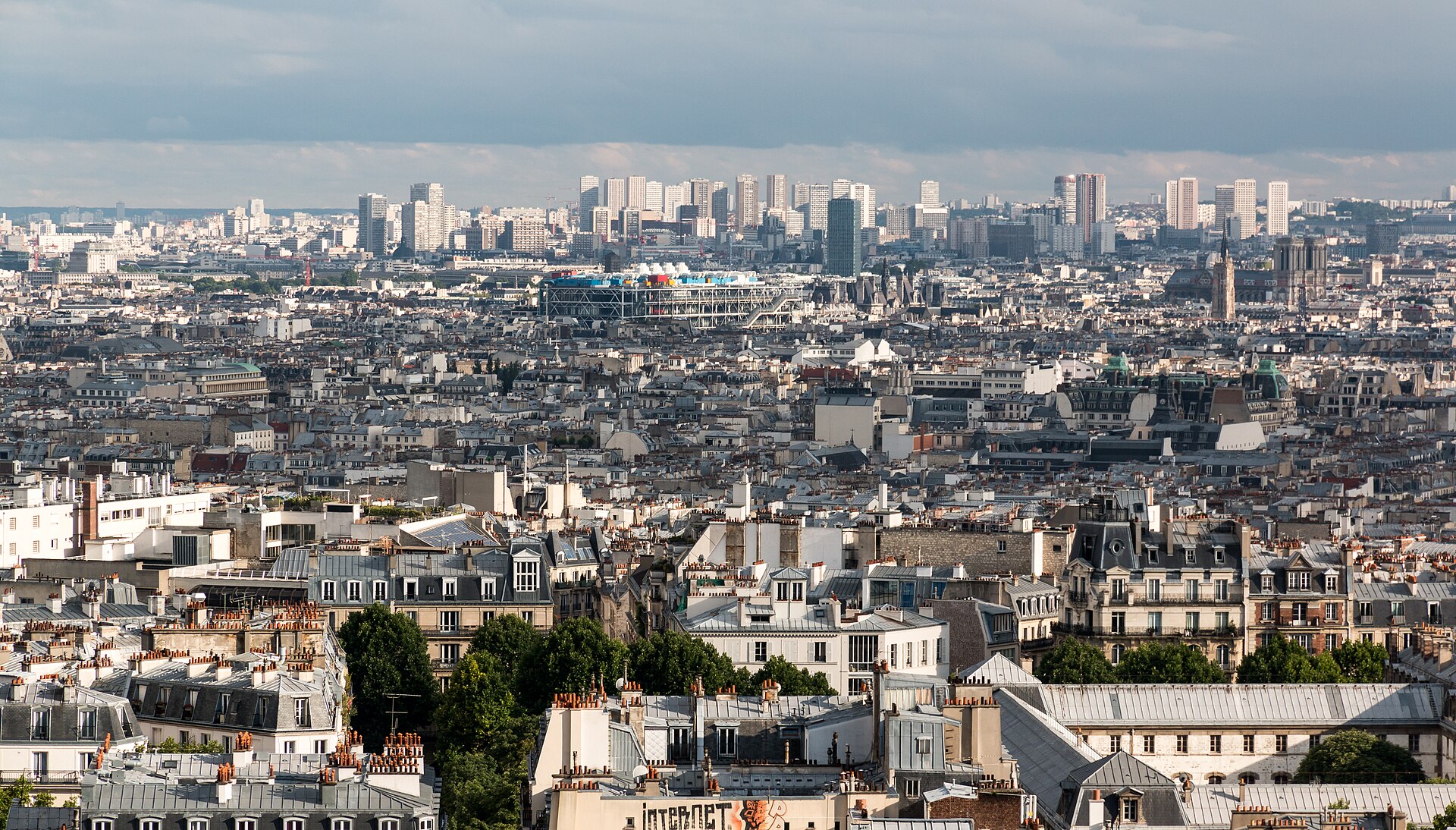
Music by Aznavour, words by Jacques Plante, for the operetta Monsieur Carnaval. No. 1 in France — and, at almost every concert for the rest of his life, the encore.
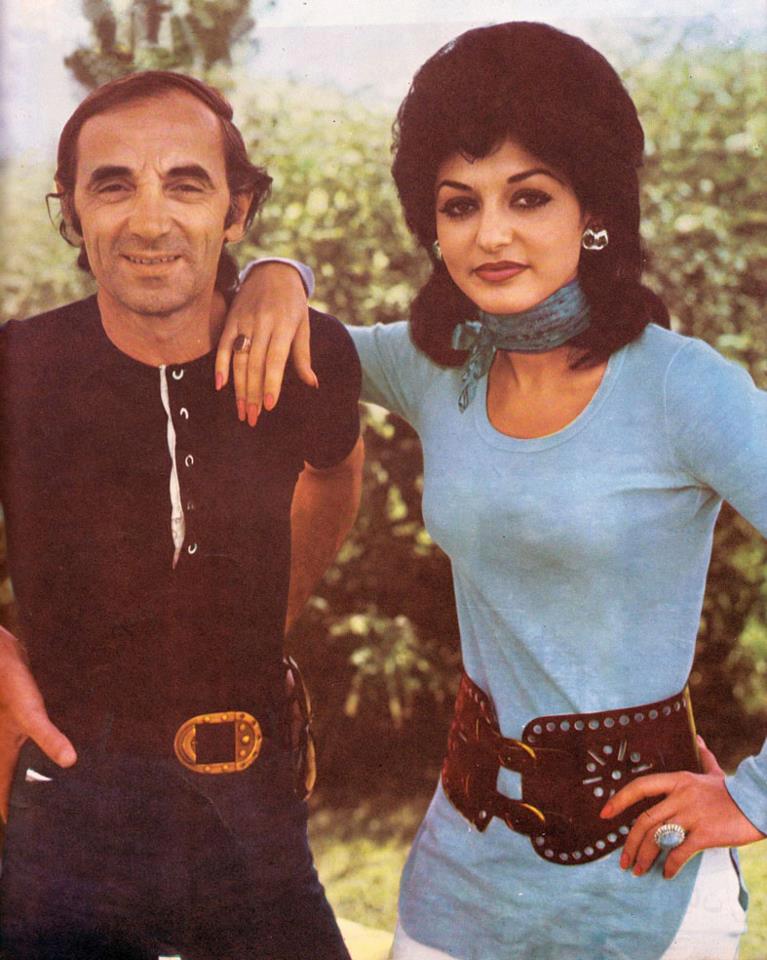
Tehran to Tokyo. He sings with everyone — including the Iranian icon Googoosh — and becomes the most recognisable French voice on the planet.
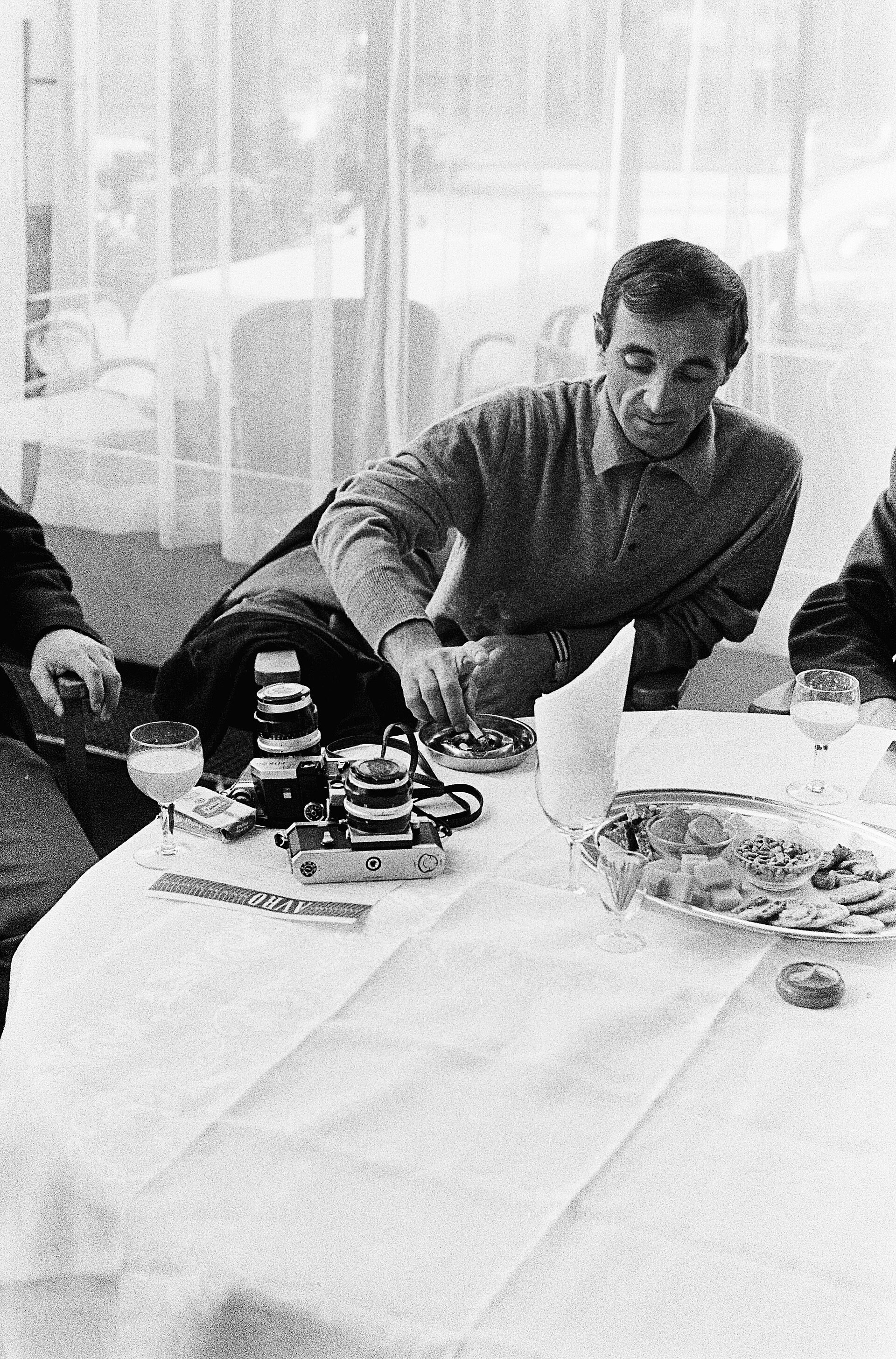
Two cameras on the cloth, a plate of pastries and no interview. Most of his life was spent in rooms exactly like this one.
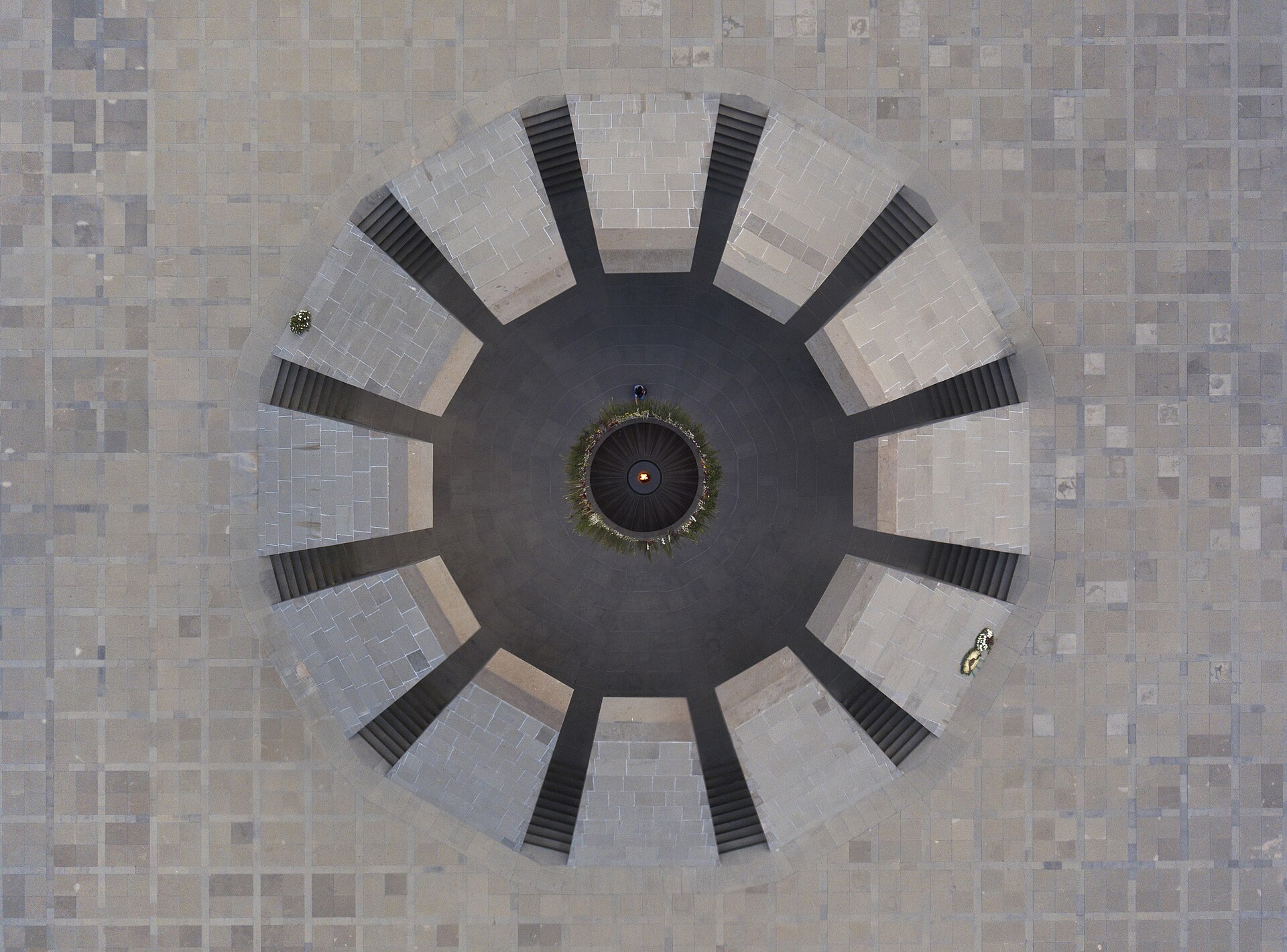
Released 24 April: his song for the Armenians of 1915. They fell, prudently, without a sound. He had been waiting his whole life to say it.
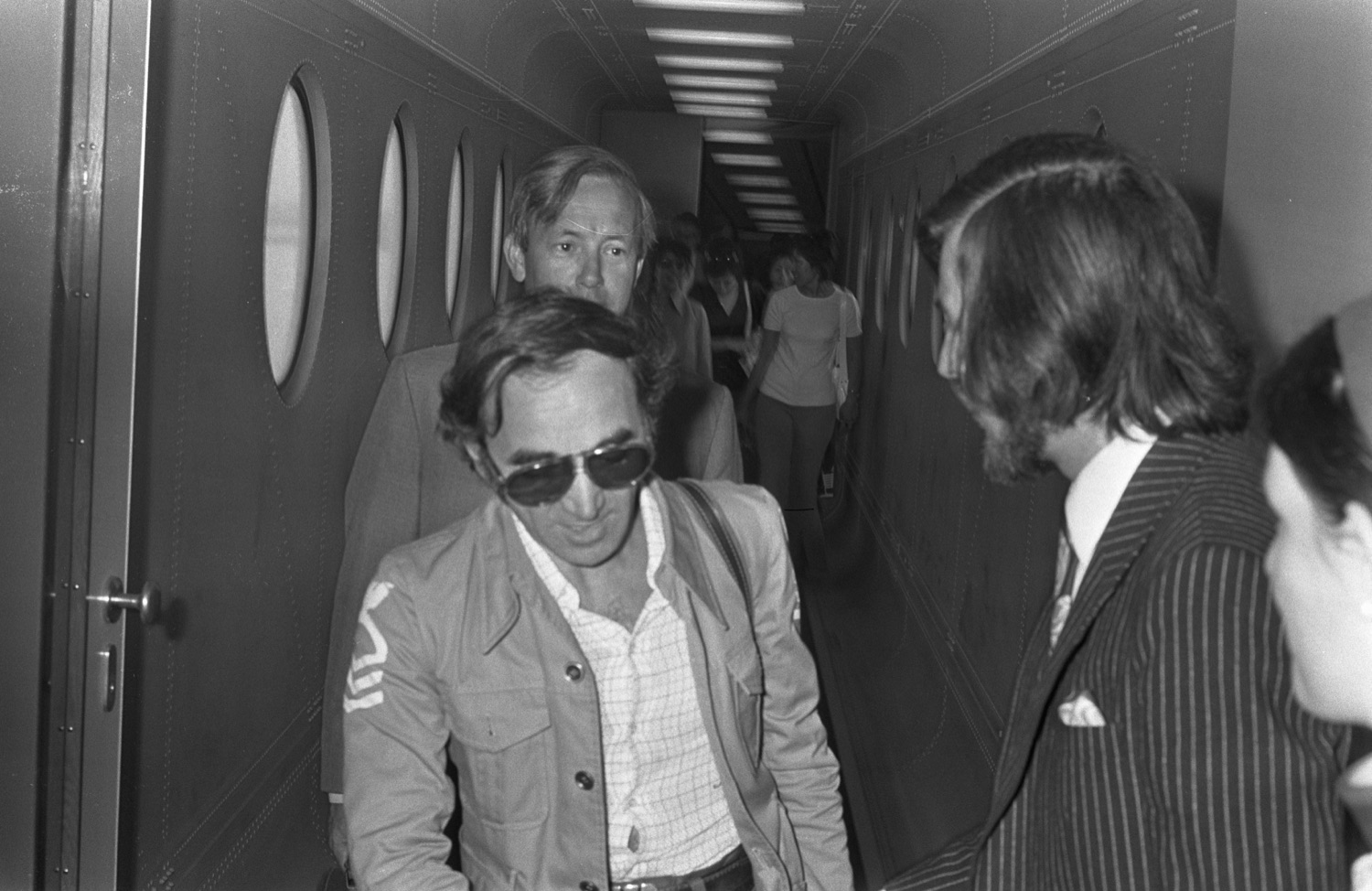
Luggage, a schedule, a jet lag. By now he was touring three continents a year and calling none of it touring.
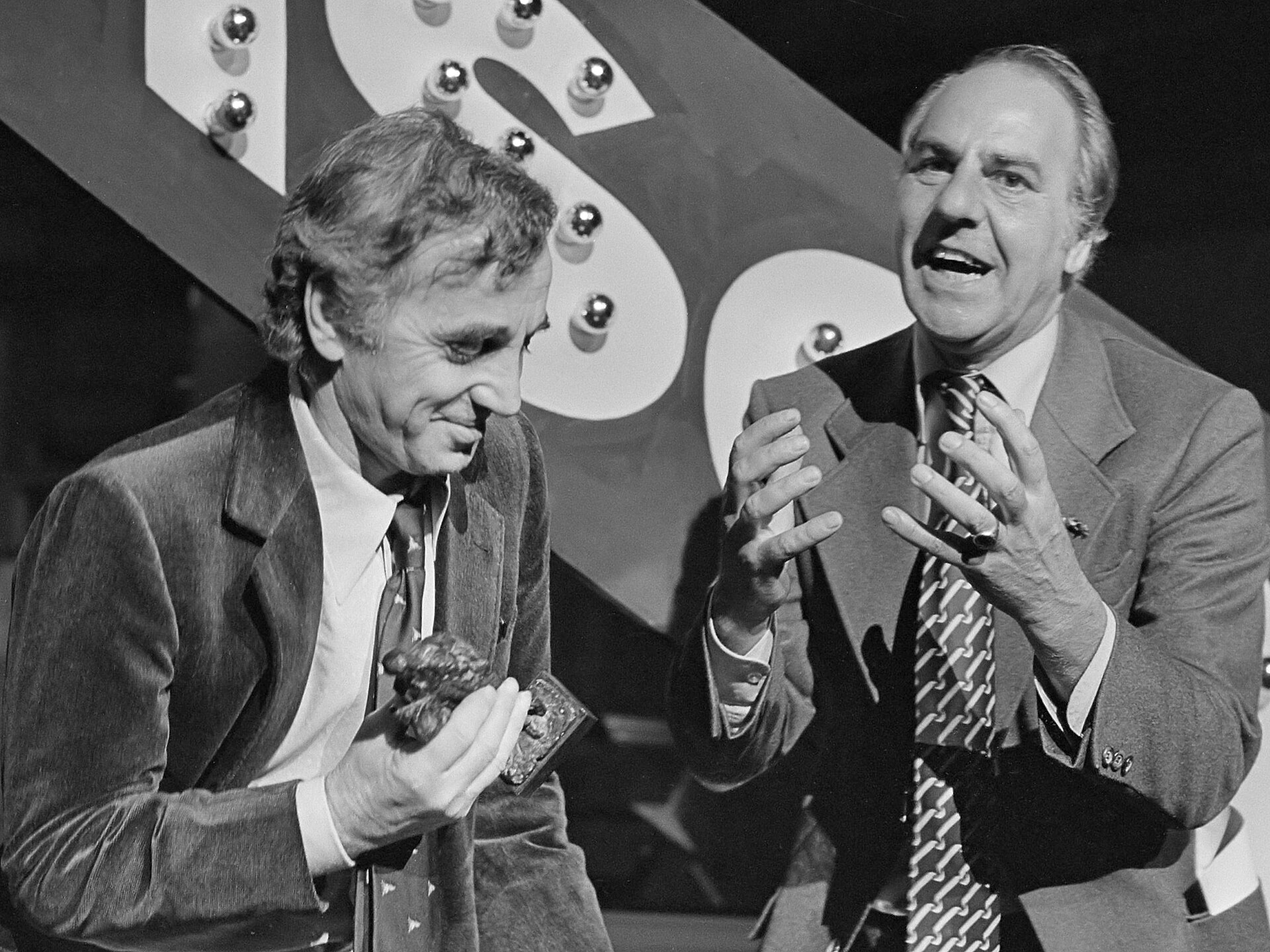
The great European television stages, and the Edison awards in the Netherlands — his third. He had stopped being a guest in his own country years ago.
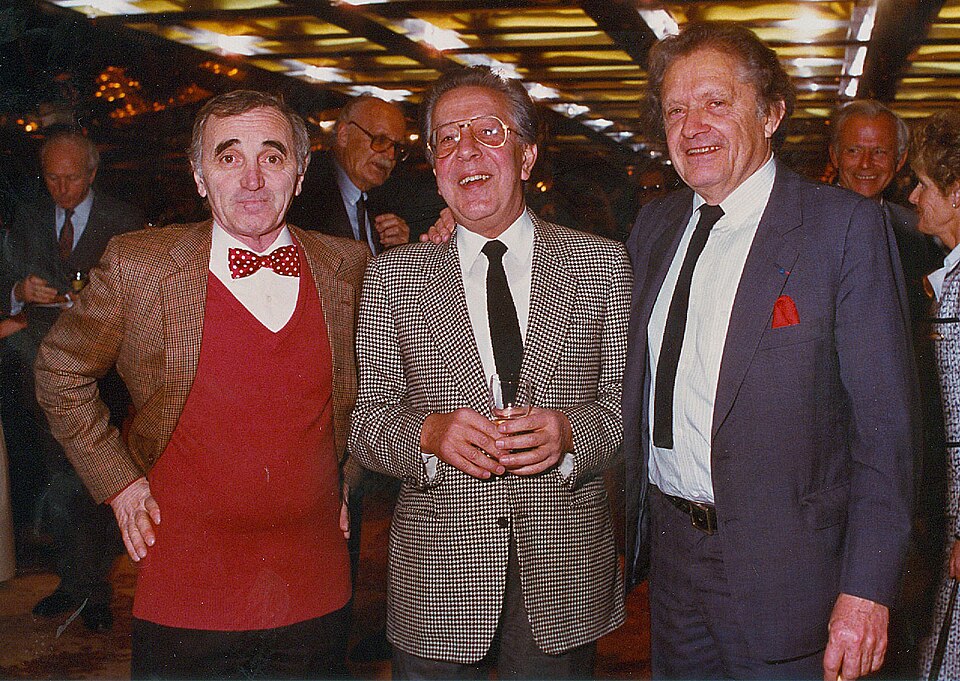
The man who wrote a thousand of his words. The same winter, an earthquake flattened northern Armenia.
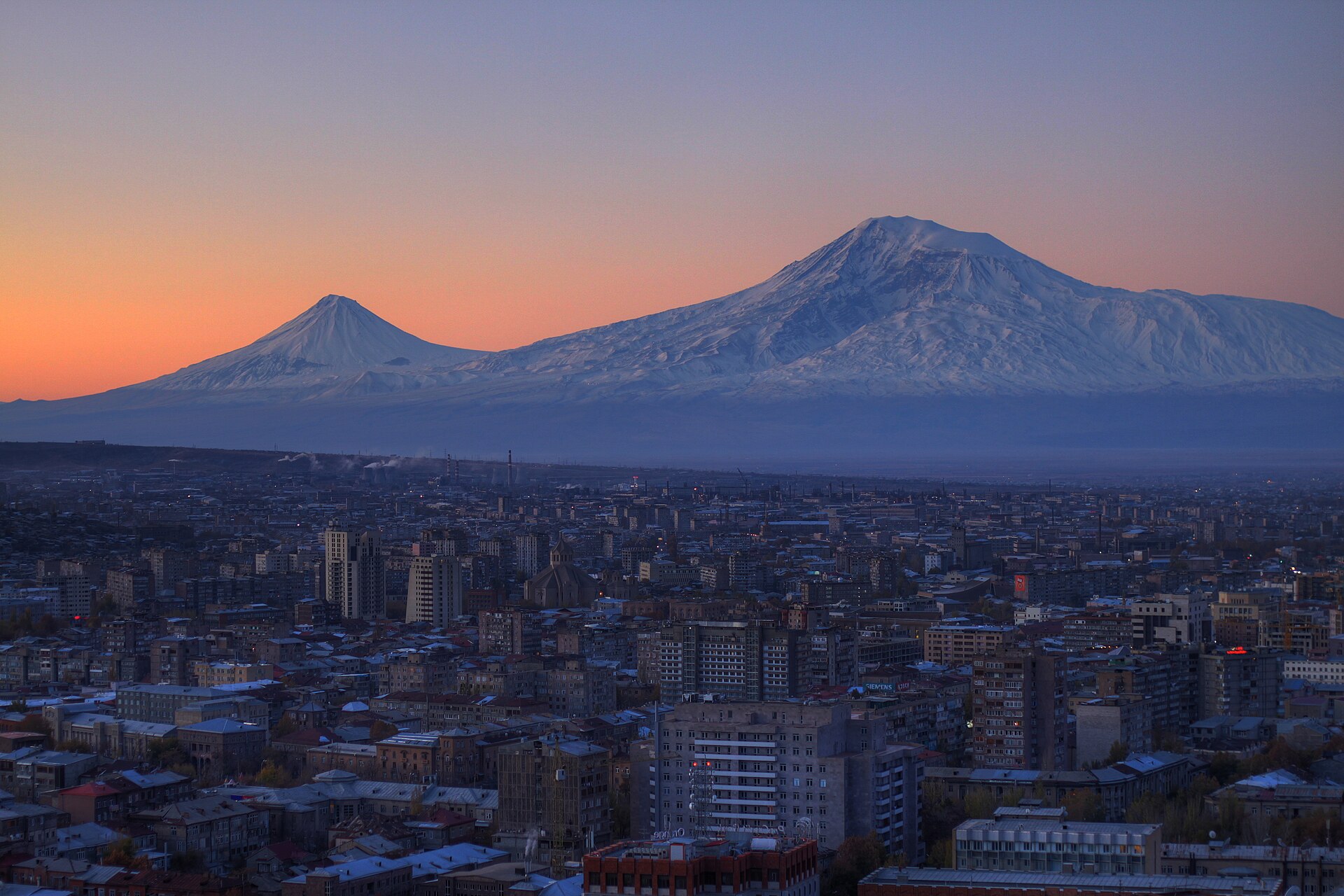
Thousands dead in an Armenian winter. He founds the charity Aznavour for Armenia; the following year France sings his fundraising single for eighteen straight weeks.
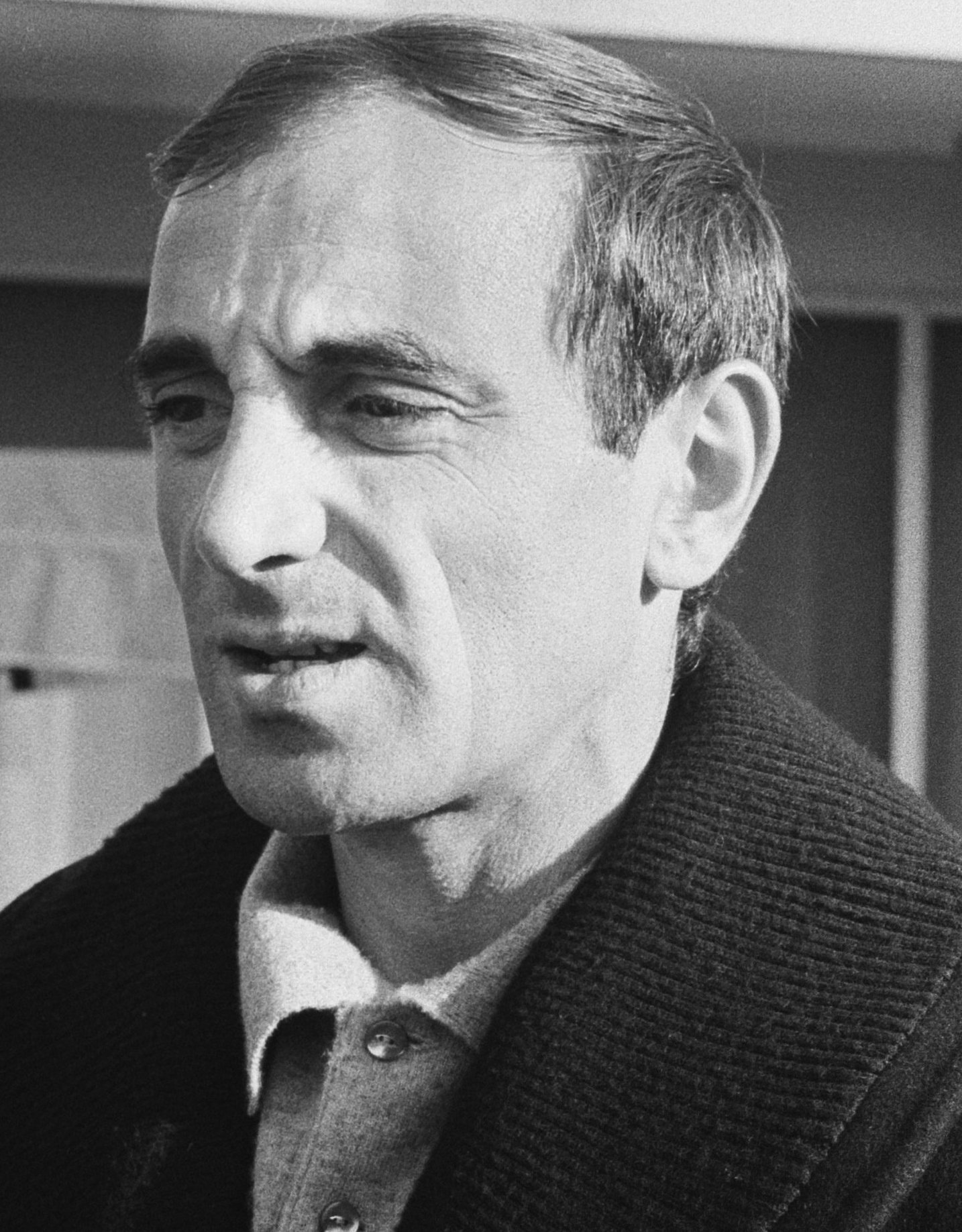
The photographer got closer every decade. By now the voice was a dry, amused instrument, and the songs were longer, and sadder, and better.
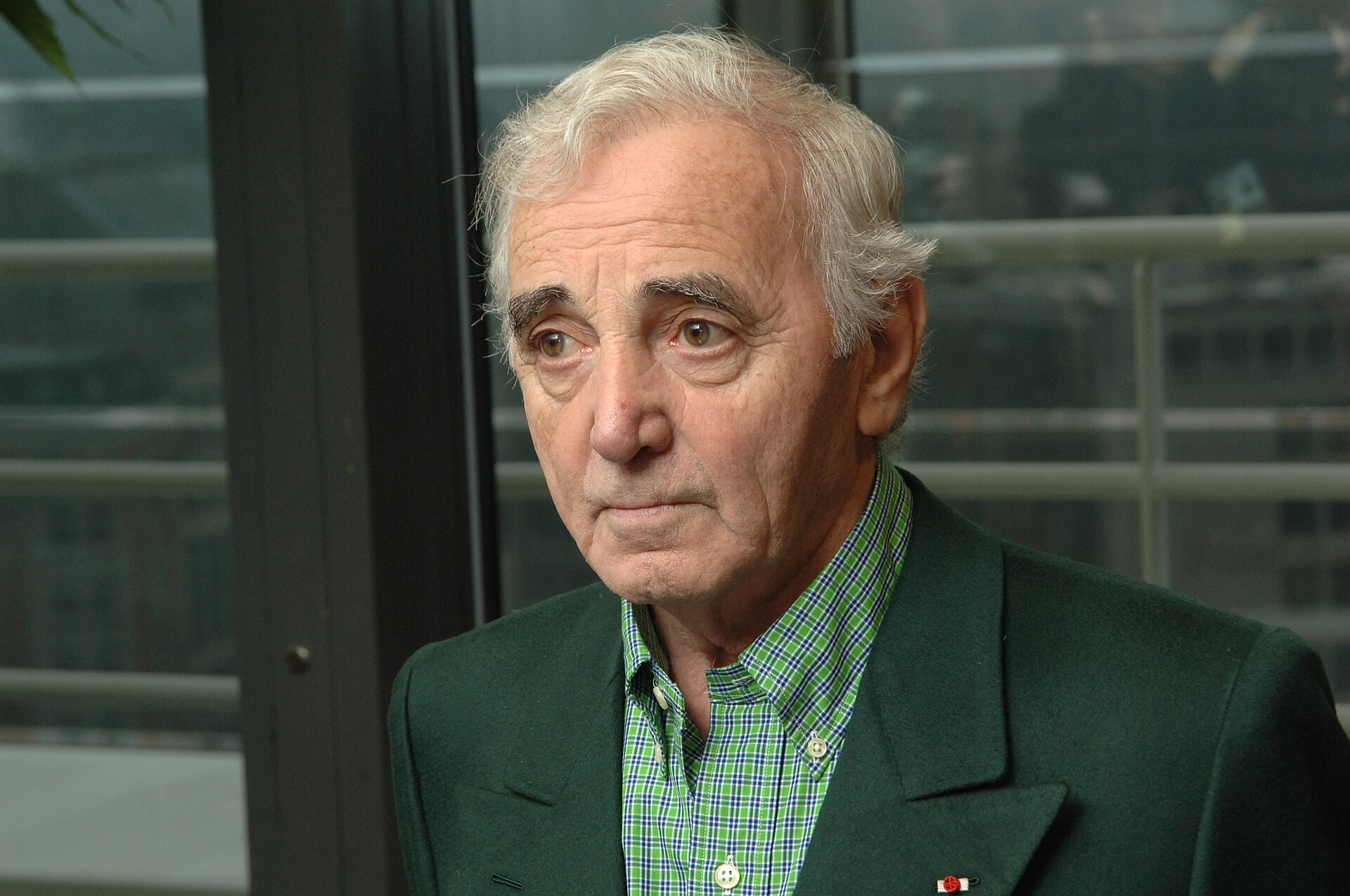
Ambassador and Permanent Delegate of Armenia to the UN in Geneva, a post he held until his last day. He sang more or less continuously across all of it.
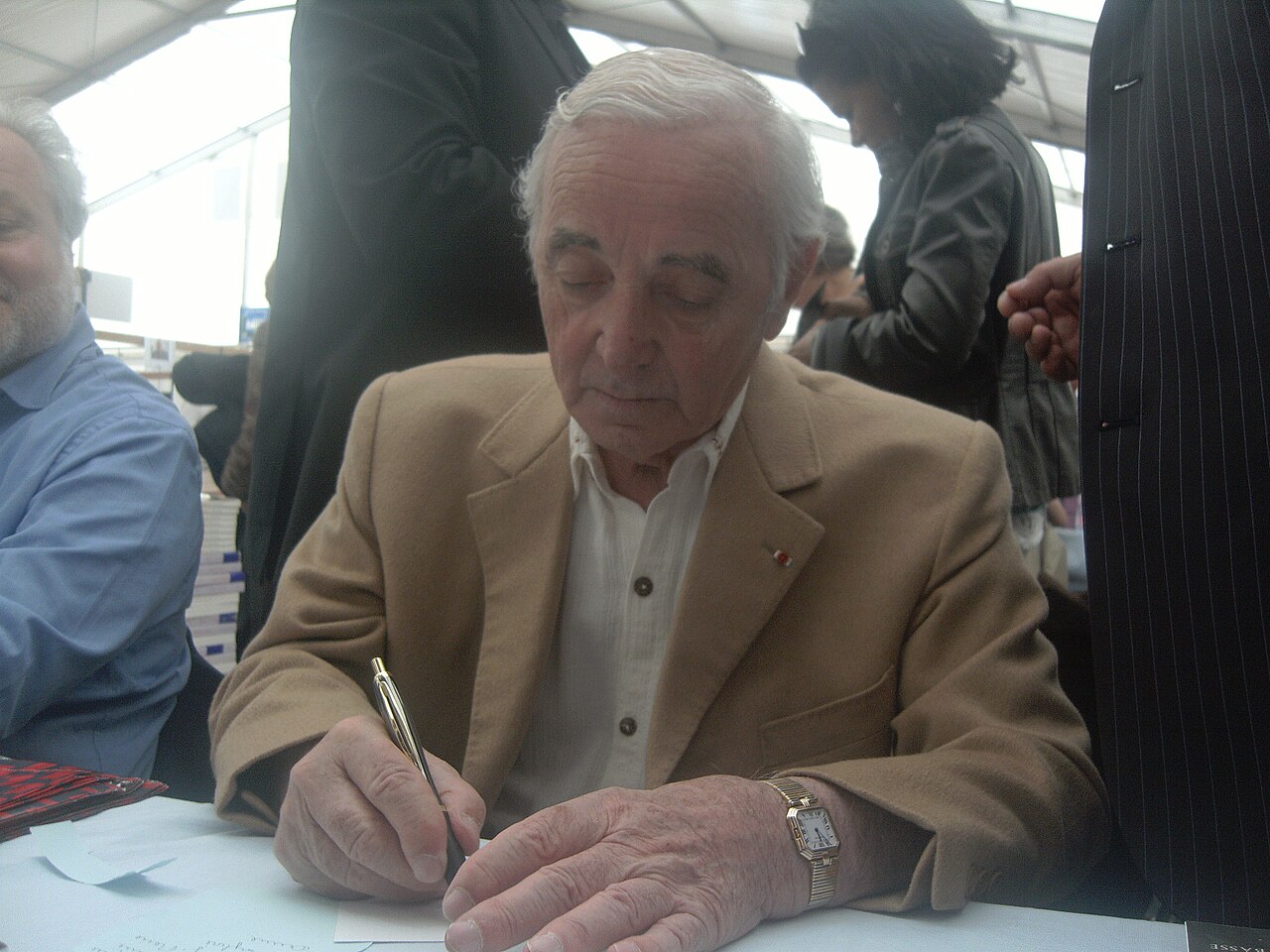
Signing books. A thousand songs, and the man who had written a third of them.
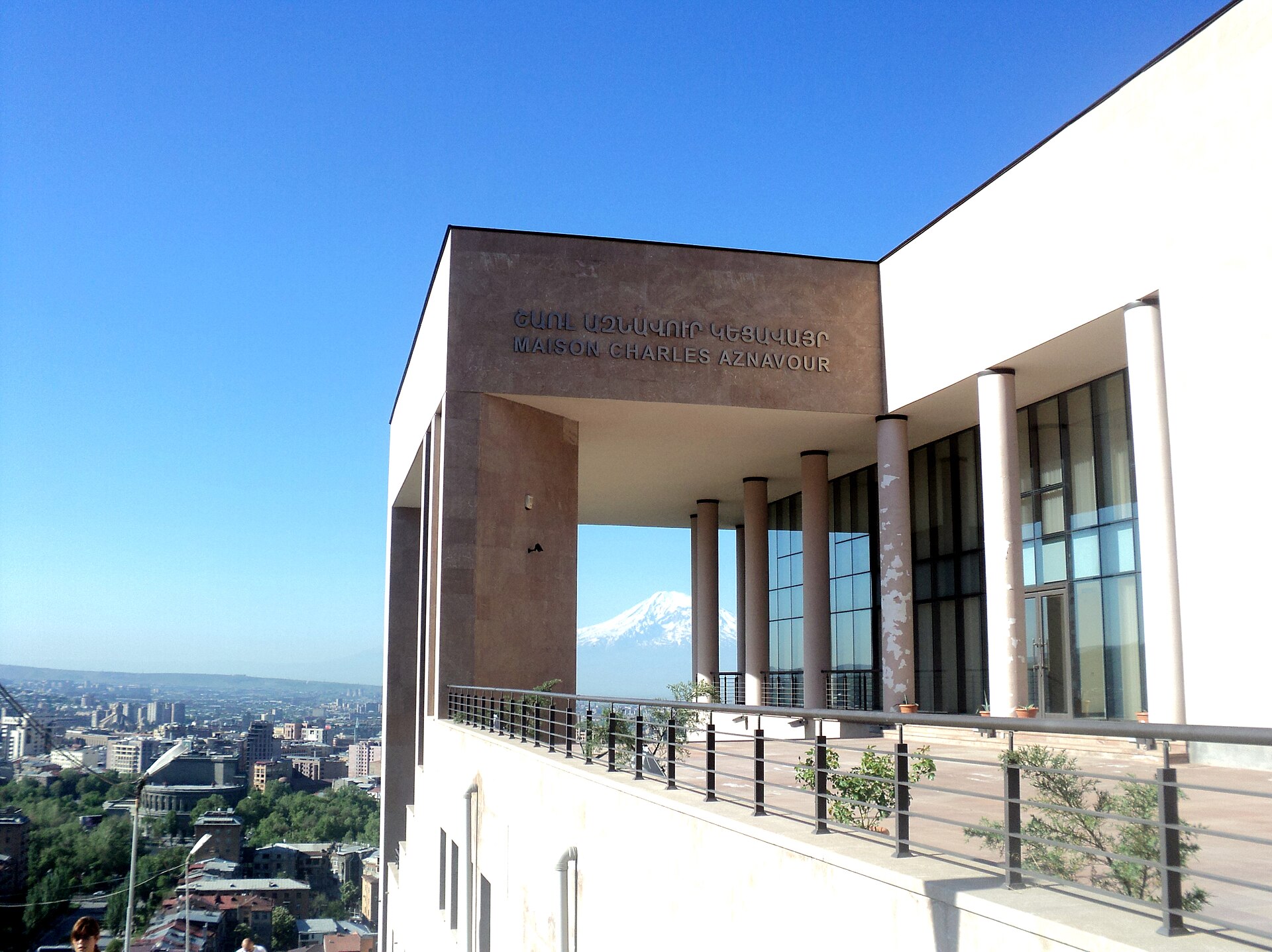
Opened in the house where he stayed during the 1988 earthquake relief. The country he had only ever visited now keeps him.
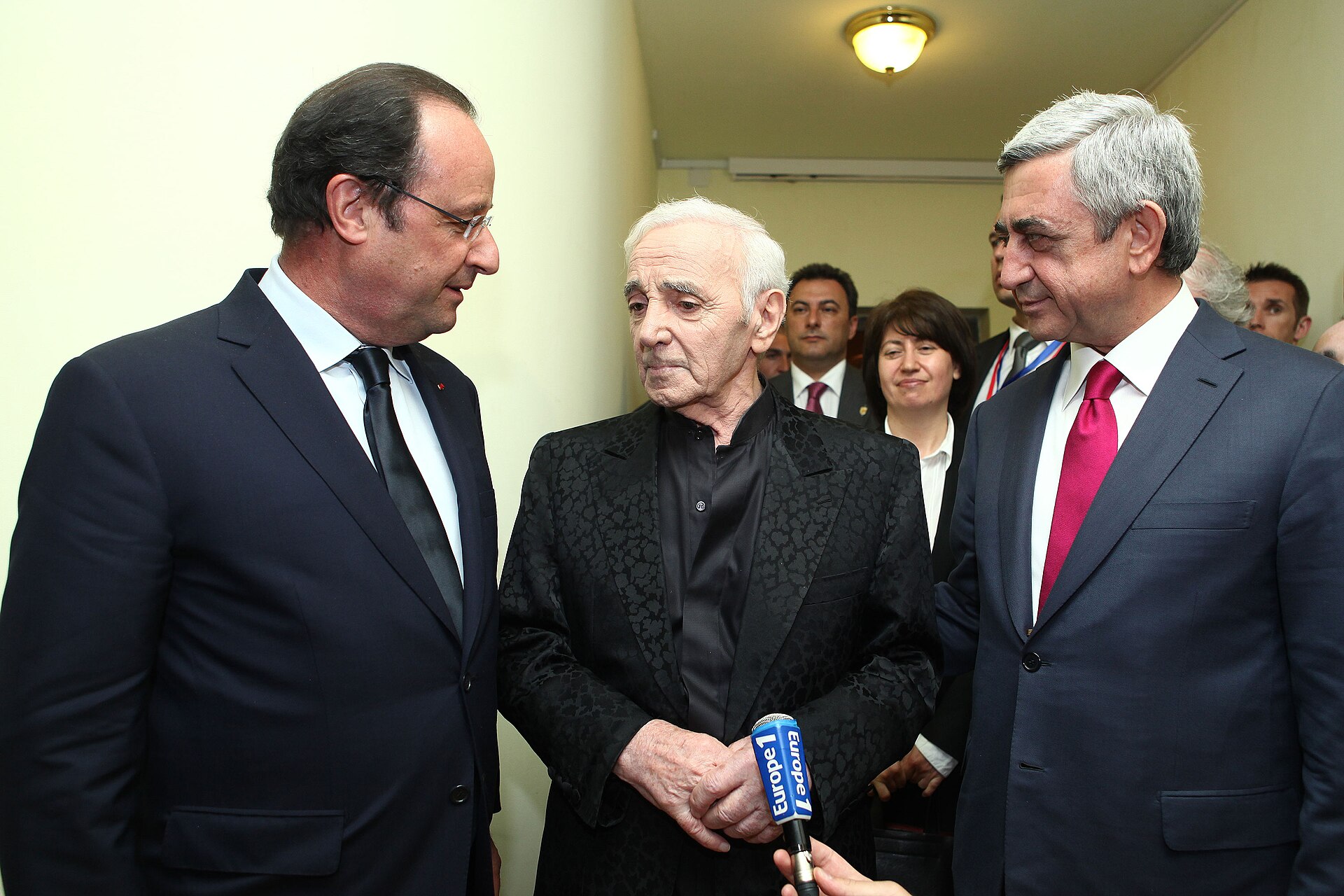
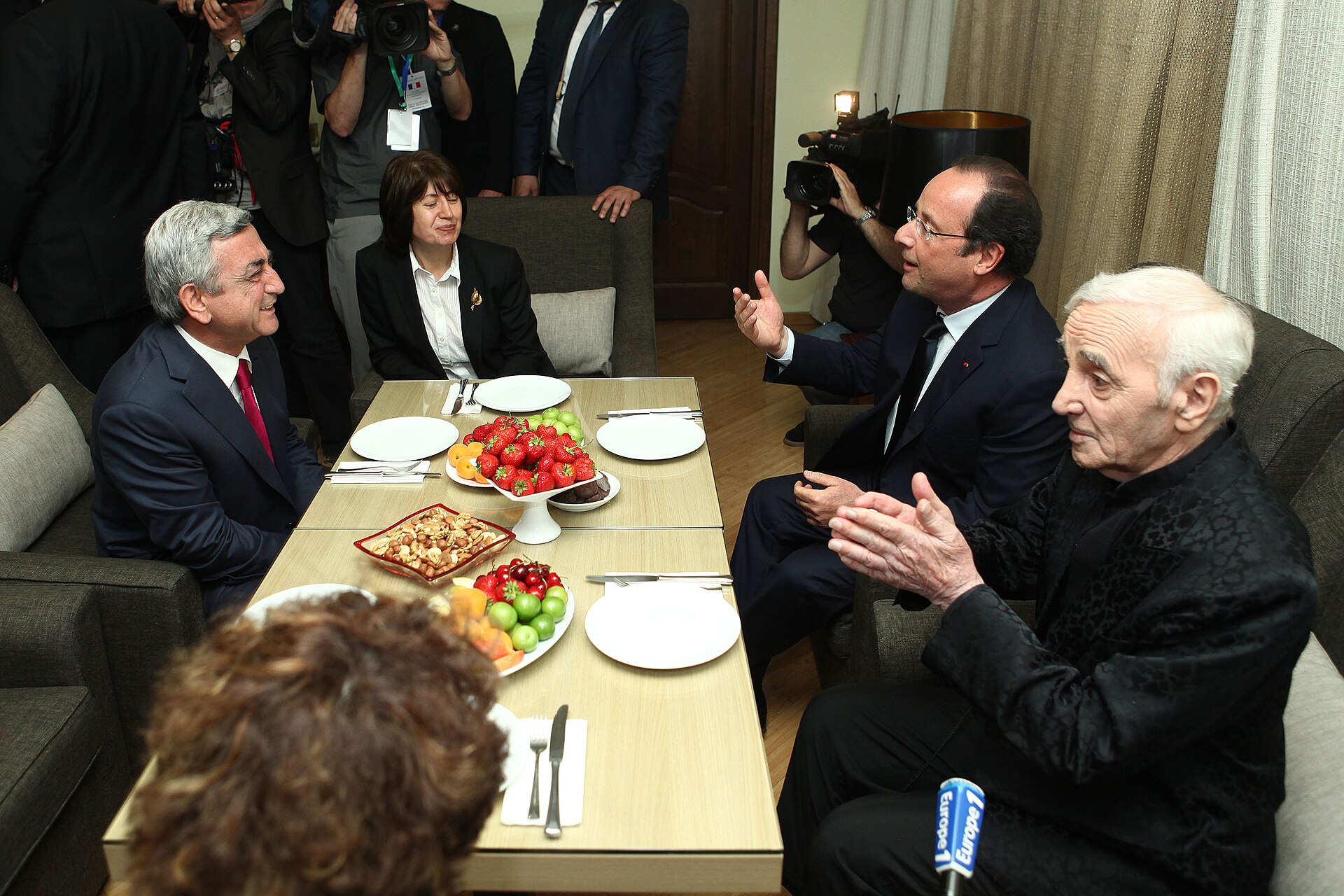
Presidents Sargsyan and Hollande in the room, and a concert that ran past midnight. His last global tour began that year.
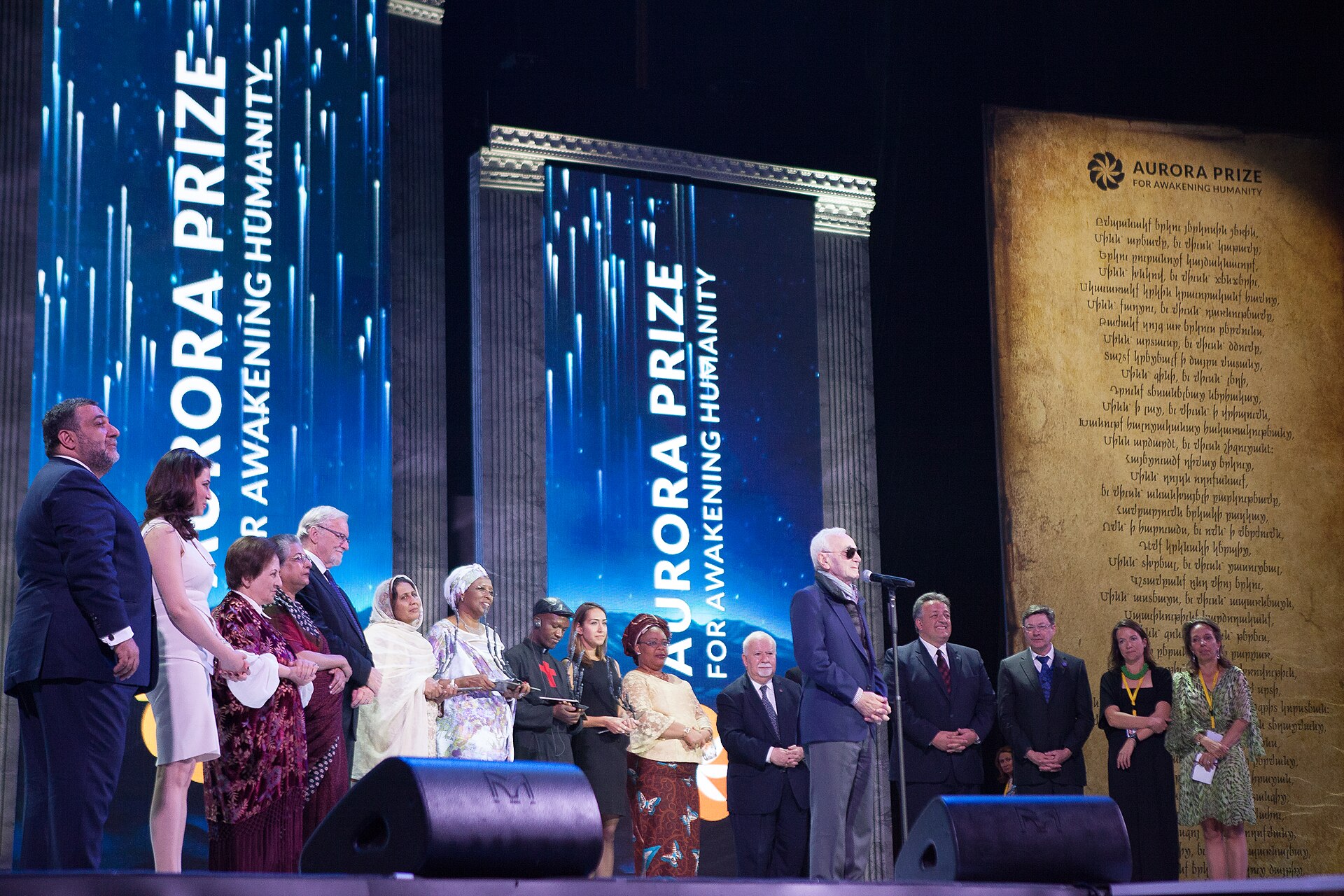
For Awakening Humanity. He accepted it, at ninety-two, in the city his father’s family had left sixty years before.
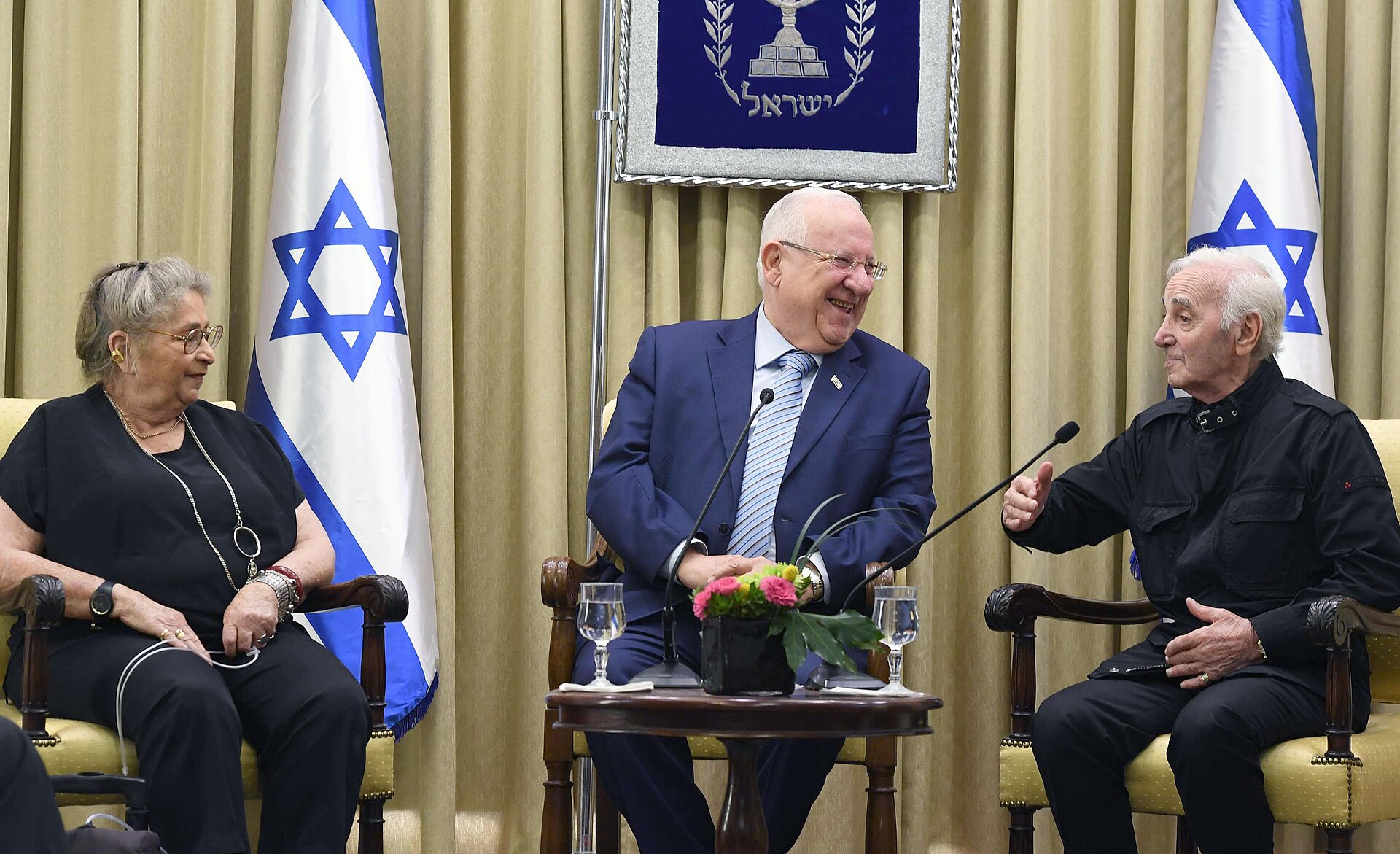
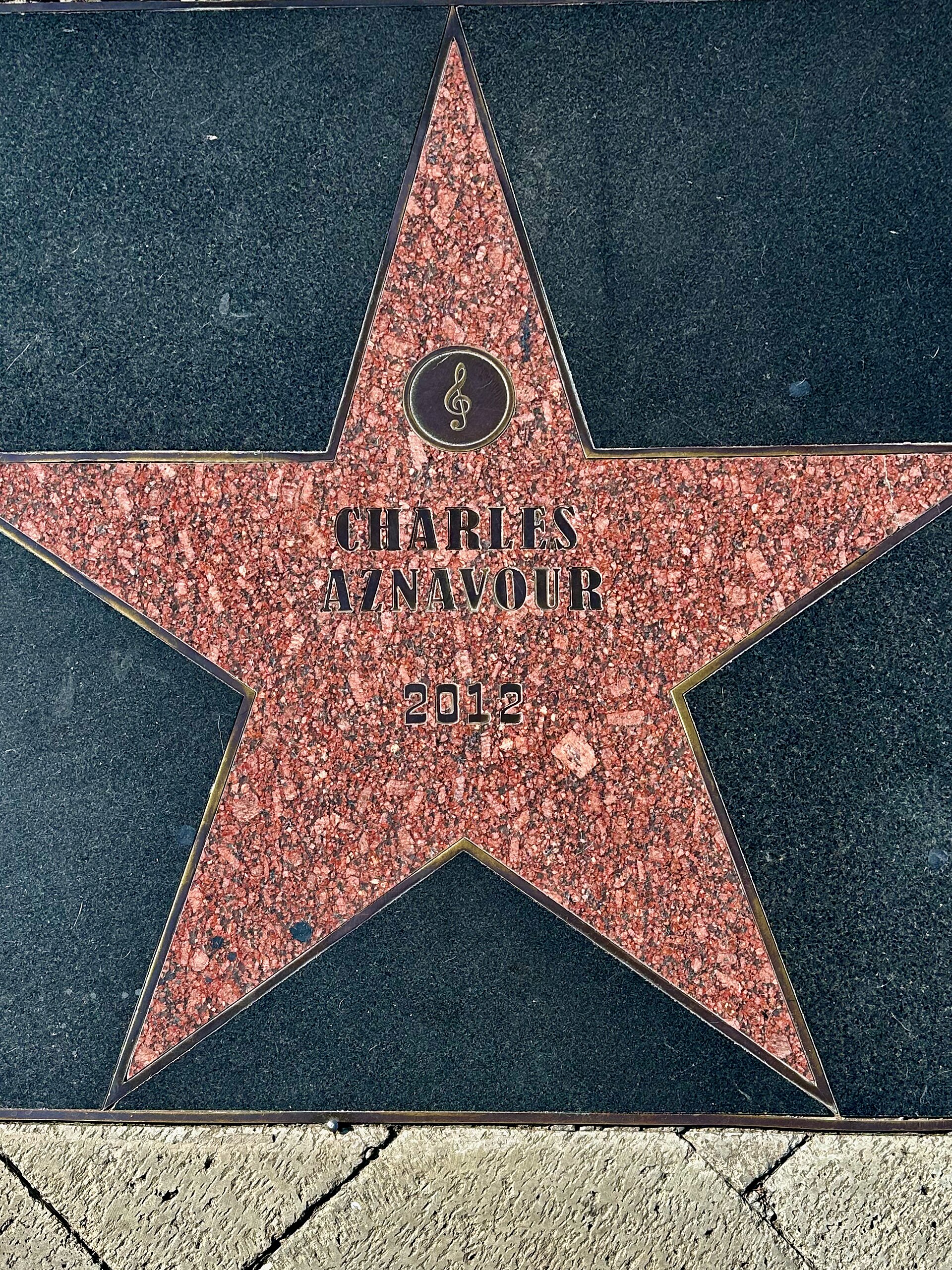
The 2,618th star on the Hollywood Walk of Fame, aged 93. Then the Raoul Wallenberg Award, with his sister Aida, for the family that hid people from the Nazis.
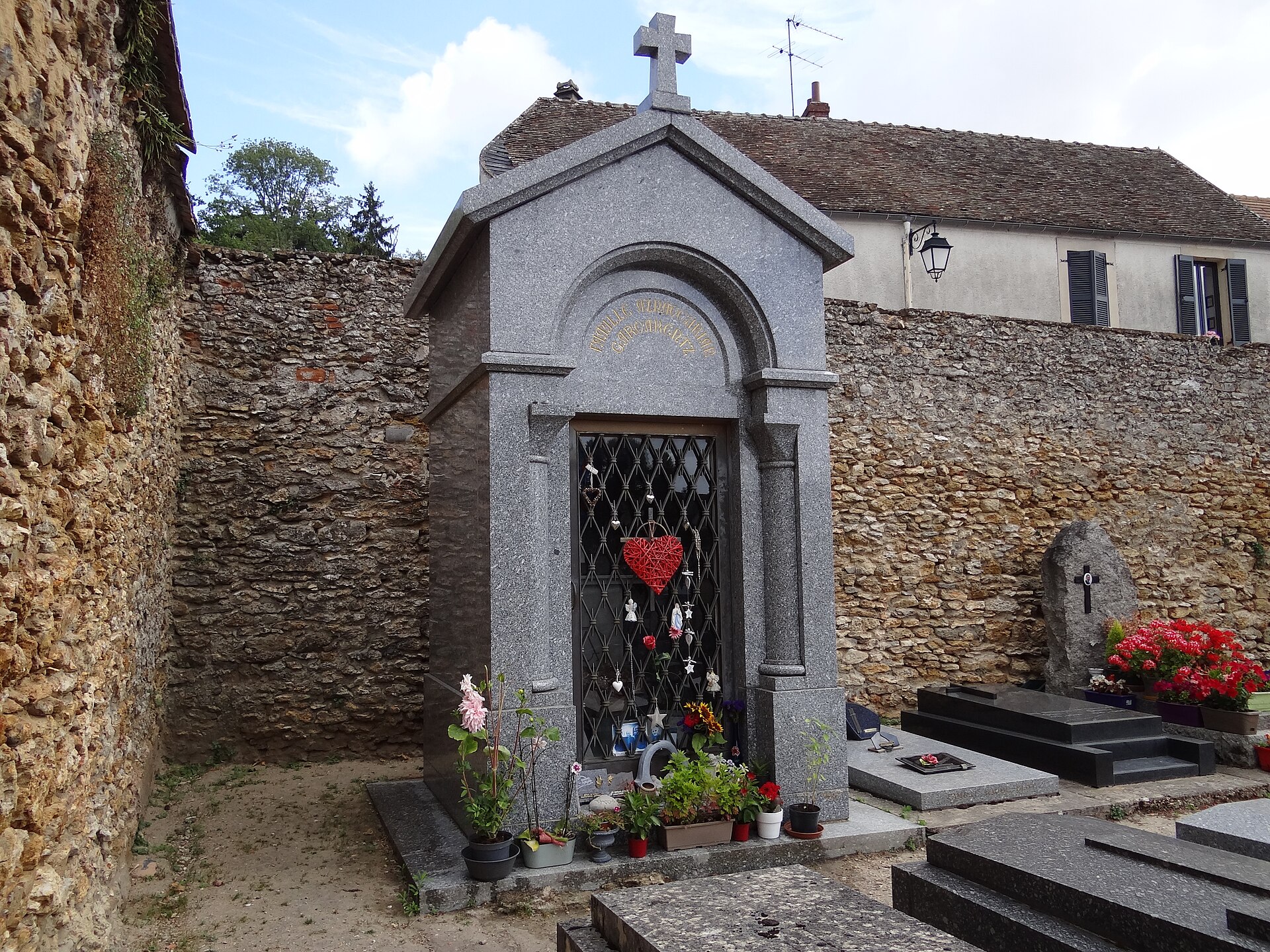
Found at home in Mouriès, in the south of France, of cardiorespiratory arrest. Six months earlier a fall had broken his arm. Three days before the end was his last television appearance.
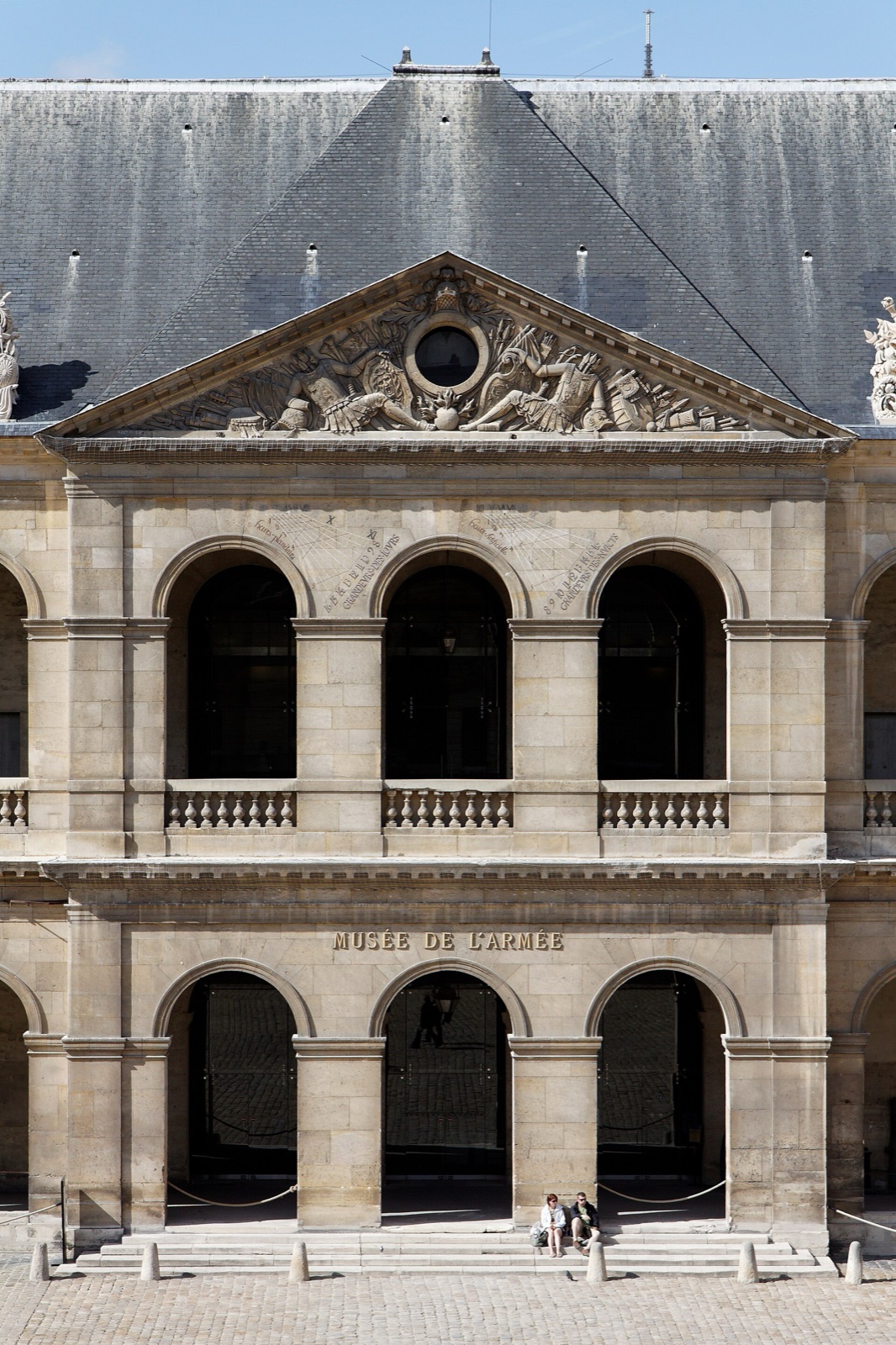
A state funeral at Les Invalides. Macron: “he made our life sweeter, our tears less bitter.” The coffin left to Emmenez-moi.
Chapter four · the songs
He wrote more than a thousand in nine languages, and the ones below are the ones France has never let go of. Each title opens on YouTube.
On film
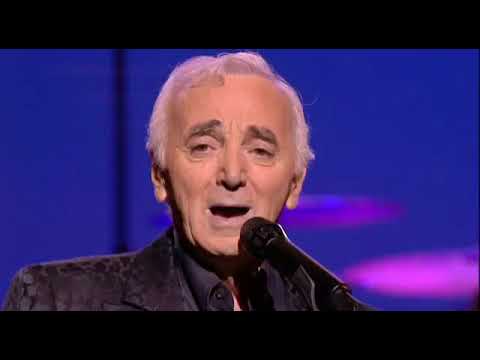
The song he could never escape, at eighty-four.

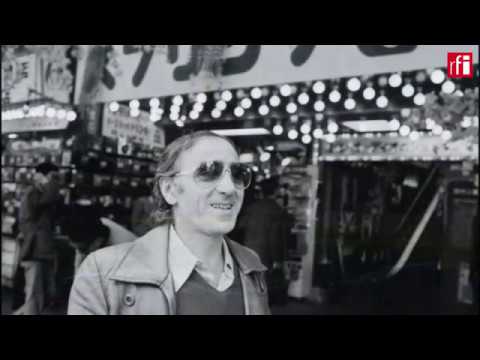
The taboo song, broadcast in its own time.
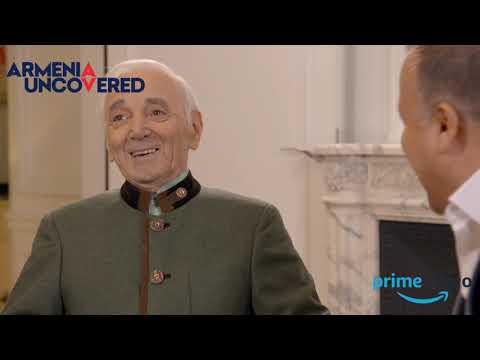
The wit, the gravel, the wink.
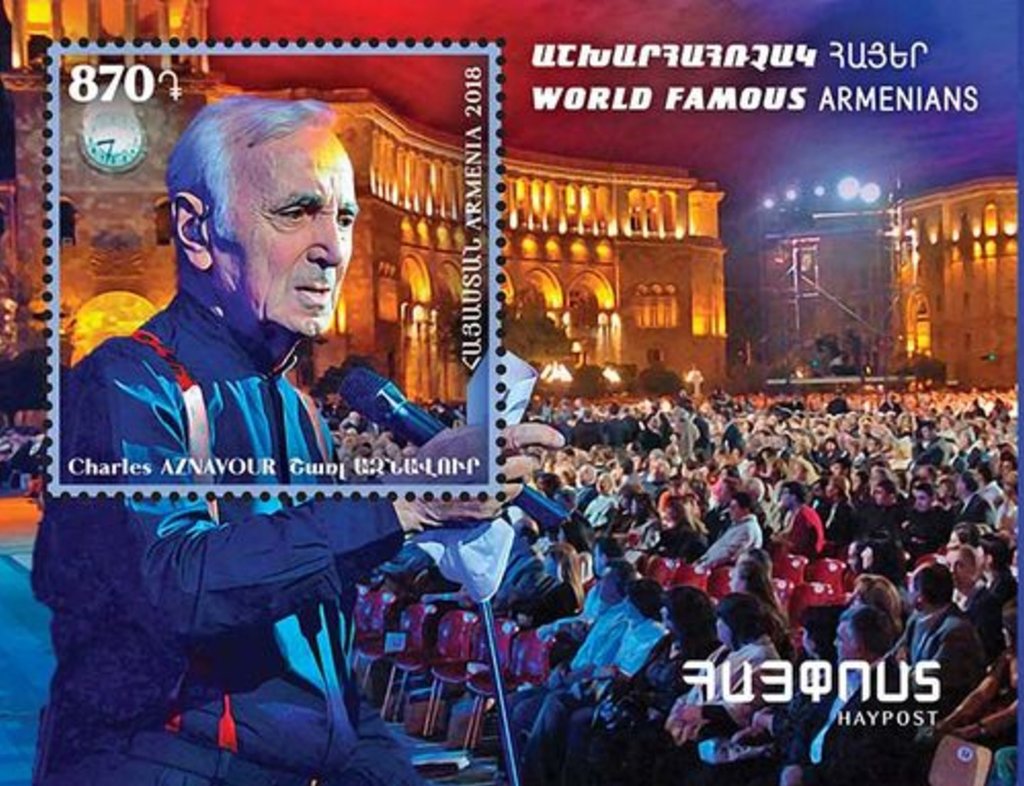
A nation’s farewell, under the gold dome.
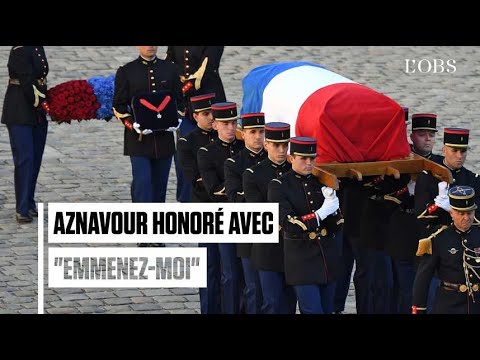
Carried out to Emmenez-moi.
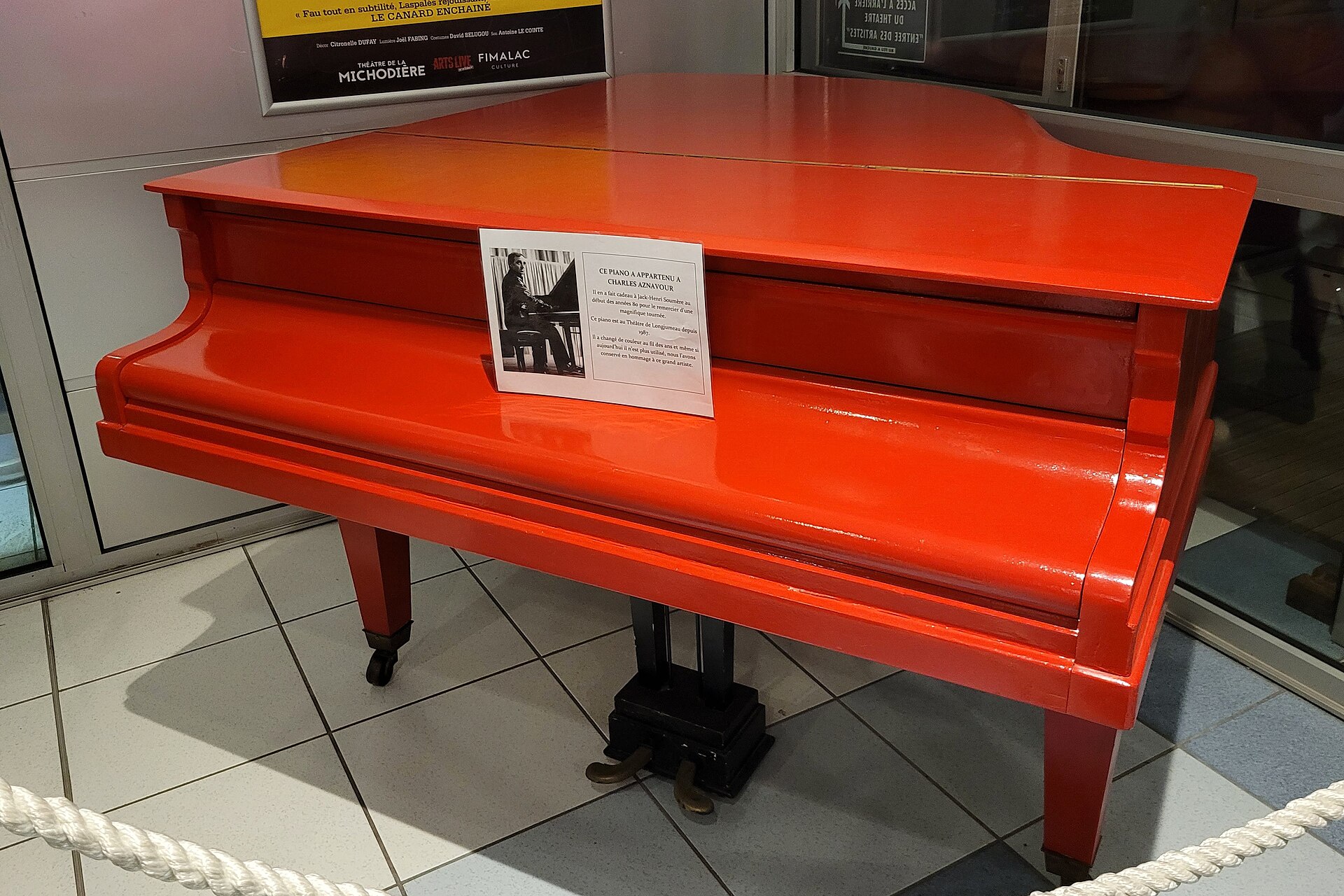
His piano teacher Jack-Henri Soutter’s instrument, kept in a glass case
Chapter five · the instrument
A tenor shaded with the colour of a baritone, wrapped in a vibrato you could recognise in two notes. It was small — like him, 1.60 m — and that was its power. Never a trumpet, always a confidence. Critics called him a French pop deity; the rest of the world called him the French Sinatra, a label he bore with a shrug and a joke.
He never stopped adding languages to the instrument: chansons in French, ballads in English, romances in Italian, flamenco-adjacent Spanish, German, Russian — and Armenian, the language of his parents, which he saved some of his most intimate recordings for.
Français · English · Italiano · Español · Deutsch · Русский · Հայերեն · Napoletano · Kabyle
Bob Dylan saw him at Carnegie Hall in the sixties and never forgot it: “he just blew my brains out.”
Chapter six · 1972
When he asked to record Comme ils disent — written from the point of view of a man loving another man — he was warned it would be the end of him. In 1972, France had never heard anything like it on the radio.
He released it anyway. It became one of his signature records, a quiet landmark of French pop: empathy as a hit single. “I wanted to break every taboo,” he said later. Chanson never quite whispered about that taboo again.
Chapter seven · the other stage
A face character actors envied: the New Wave’s small-statured regular, the arthouse villain, the comic uncle — and a Best Actor prize before he was thirty-five.
dir. Georges Franju — Best Actor, French Cinema Academy
dir. Jean Cocteau — the poet casts him, then jokes about him for years
dir. François Truffaut — as Édouard Saroyan, café pianist
dir. Gérard Oury — the great commercial comedy
the acclaimed Agatha Christie adaptation
dir. Volker Schlöndorff — an Oscar winner for Best Foreign Language Film
dir. Claude Chabrol
dir. Atom Egoyan — reprising his Pianiste persona, on the same subject
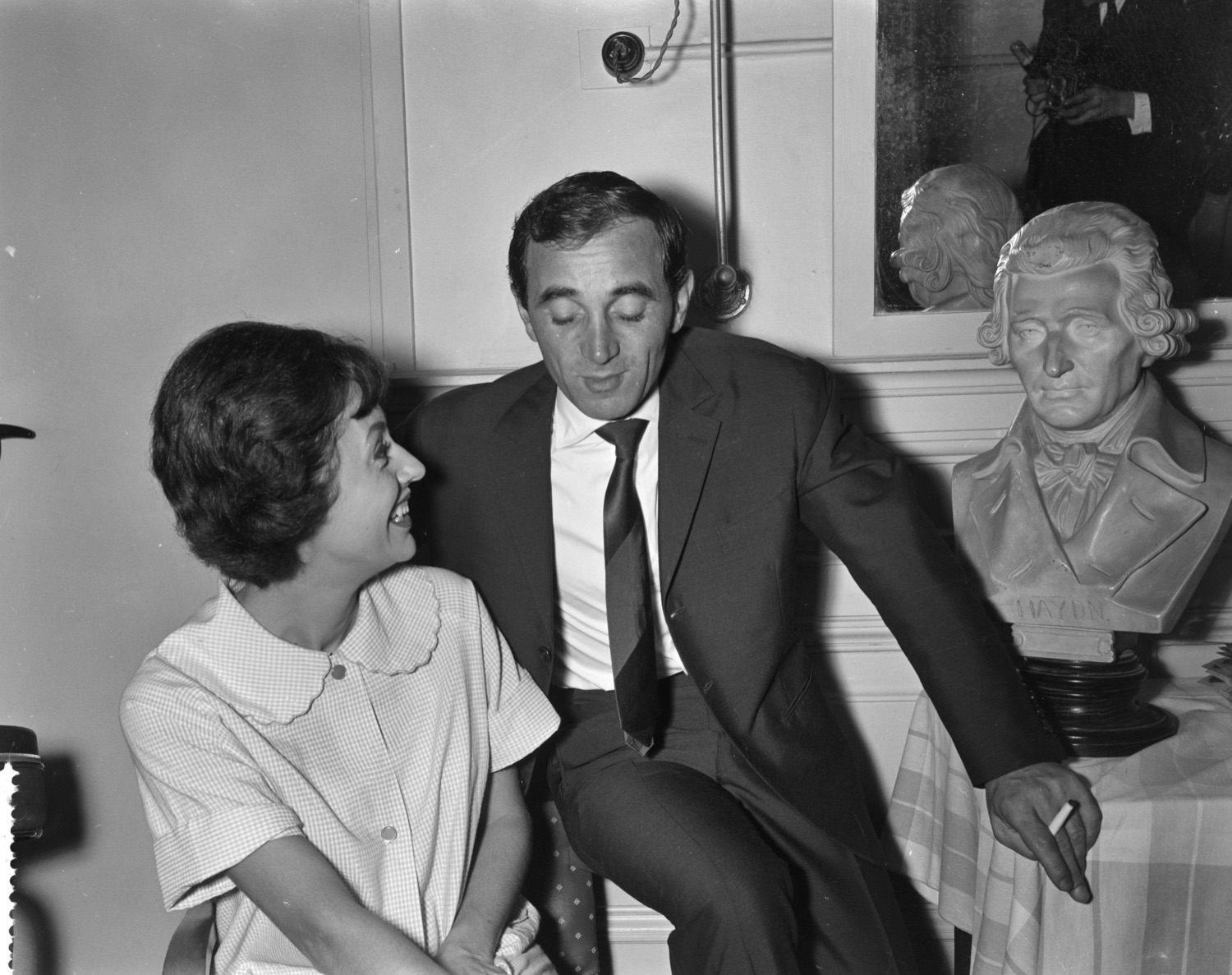
A private sitting room, 1961 — a bust of Haydn on the shelf behind him
Chapter eight · home
He married three times: Micheline Rugel in 1946, Evelyn Plessis in 1954, and in 1966 the Swedish model Ulla Thorsell, who became his widow. Five children came out of those marriages — Seda from the first, and Patrick, Katia, Mischa and Nicolas from the third.
A sixth was born out of wedlock to the cabaret dancer Arlette Bordais on 16 July 1951, and named Patrick. Aznavour acknowledged him nine years later; Evelyn helped raise the boy. Patrick died in May 1976, aged twenty-five — a grief he rarely discussed afterwards.
Chapter nine
“I am French and Armenian — the two are inseparable, like milk and coffee.”
Hollywood, 24 August 2017, on receiving his Walk of Fame star
Thousands die in the Armenian winter. He creates the charity Aznavour for Armenia and spends the next thirty years rebuilding.
Pour toi Arménie, written with Georges Garvarentz and sung by France’s biggest stars, tops the charts for four and a half months.
On the board of trustees, helping channel over $150 million in aid and infrastructure to Armenia.
Armenia’s highest award — four years before citizenship, and long before the squares that carry his name.
Granted 26 December. “A hero of the Armenian people,” said President Sargsyan.
Armenia’s ambassador to Switzerland and to the UN in Geneva, serving until the day he died.
Chapter ten · the quiet hero
During the Occupation, the Aznavours — connected to the Missak Manouchian resistance group — sheltered Jews, Armenians and others at their own address, risking everything for it. Charles and his sister Aida carried out rescue work of their own.
In 2017, Israel’s president formally recognised the family’s courage, and Charles and Aida received the Raoul Wallenberg Award. Their names are together on the plaque at 22 rue de Navarin, in the ninth arrondissement.
“The Aznavours offered shelter to Jews and others at their own Paris flat, risking their own lives.”
International Raoul Wallenberg Foundation, 2017
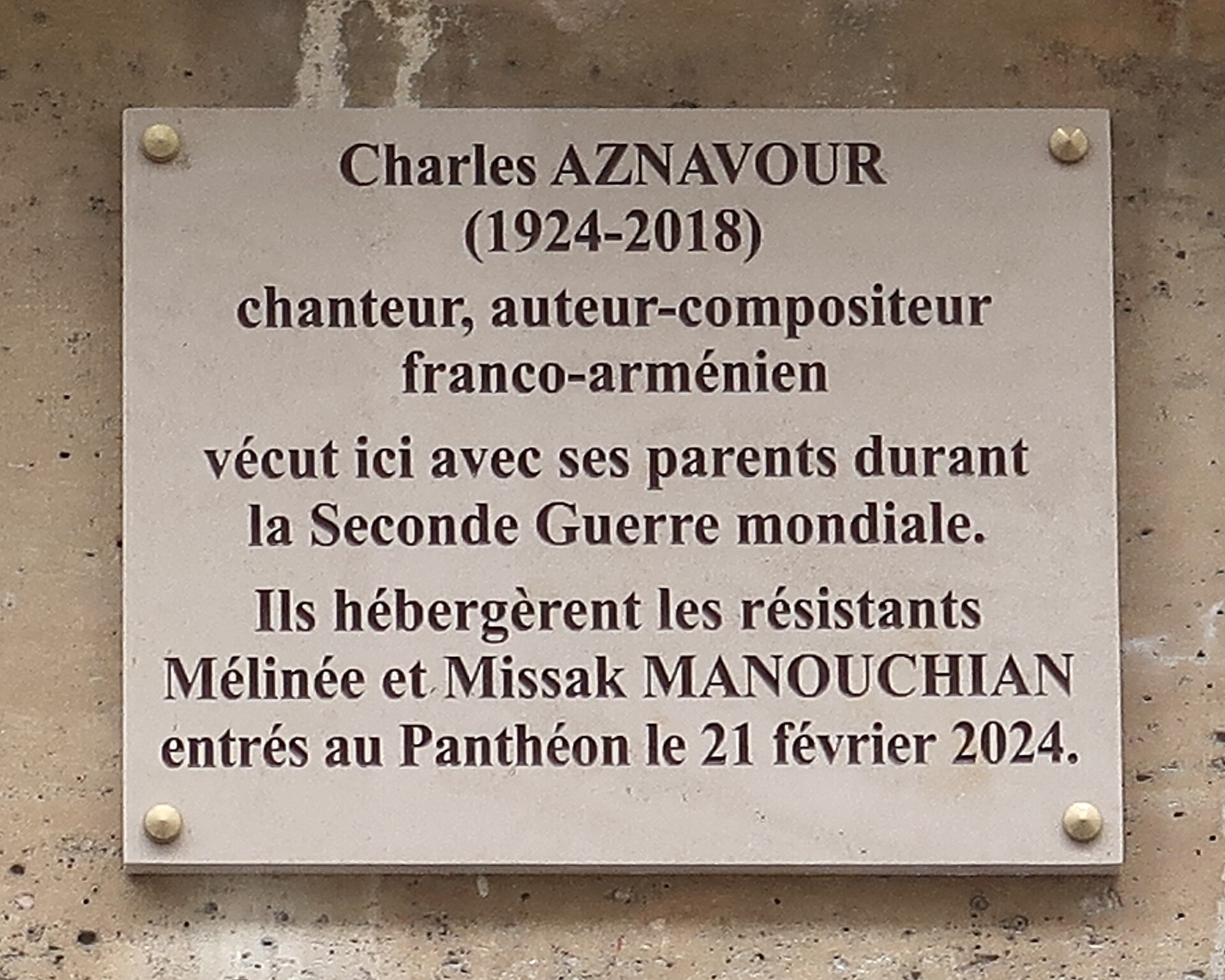
Chapter eleven · what remains
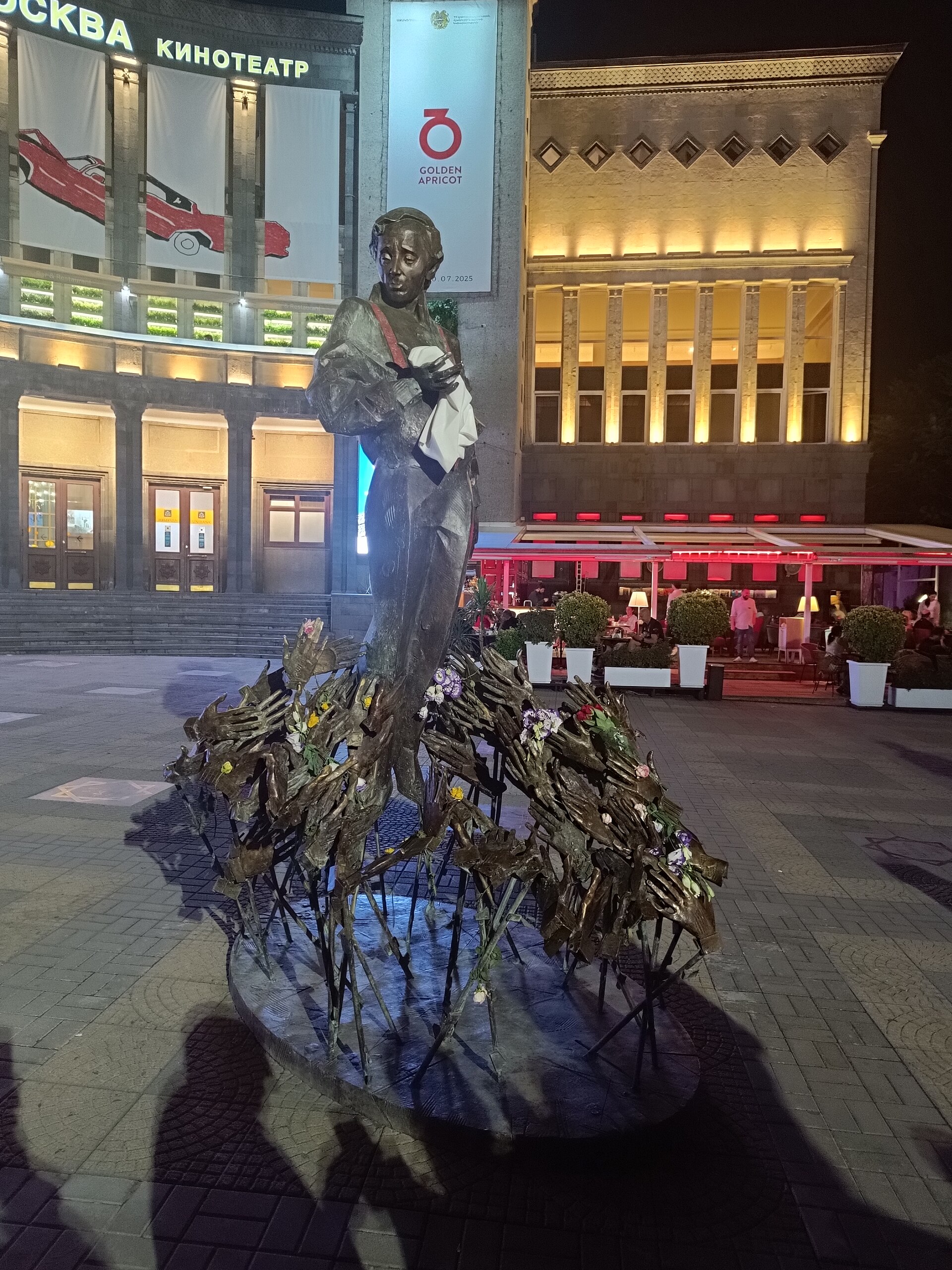
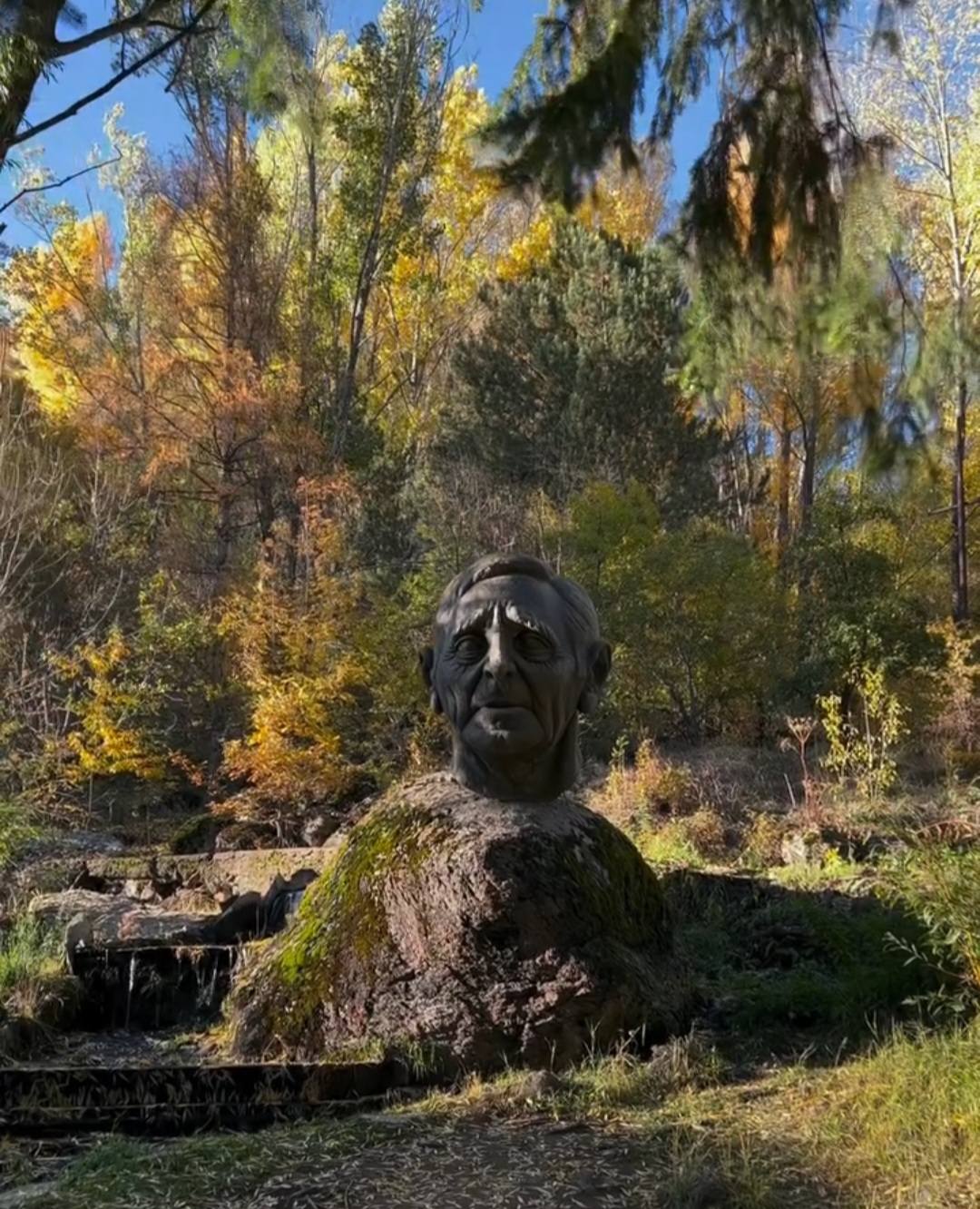
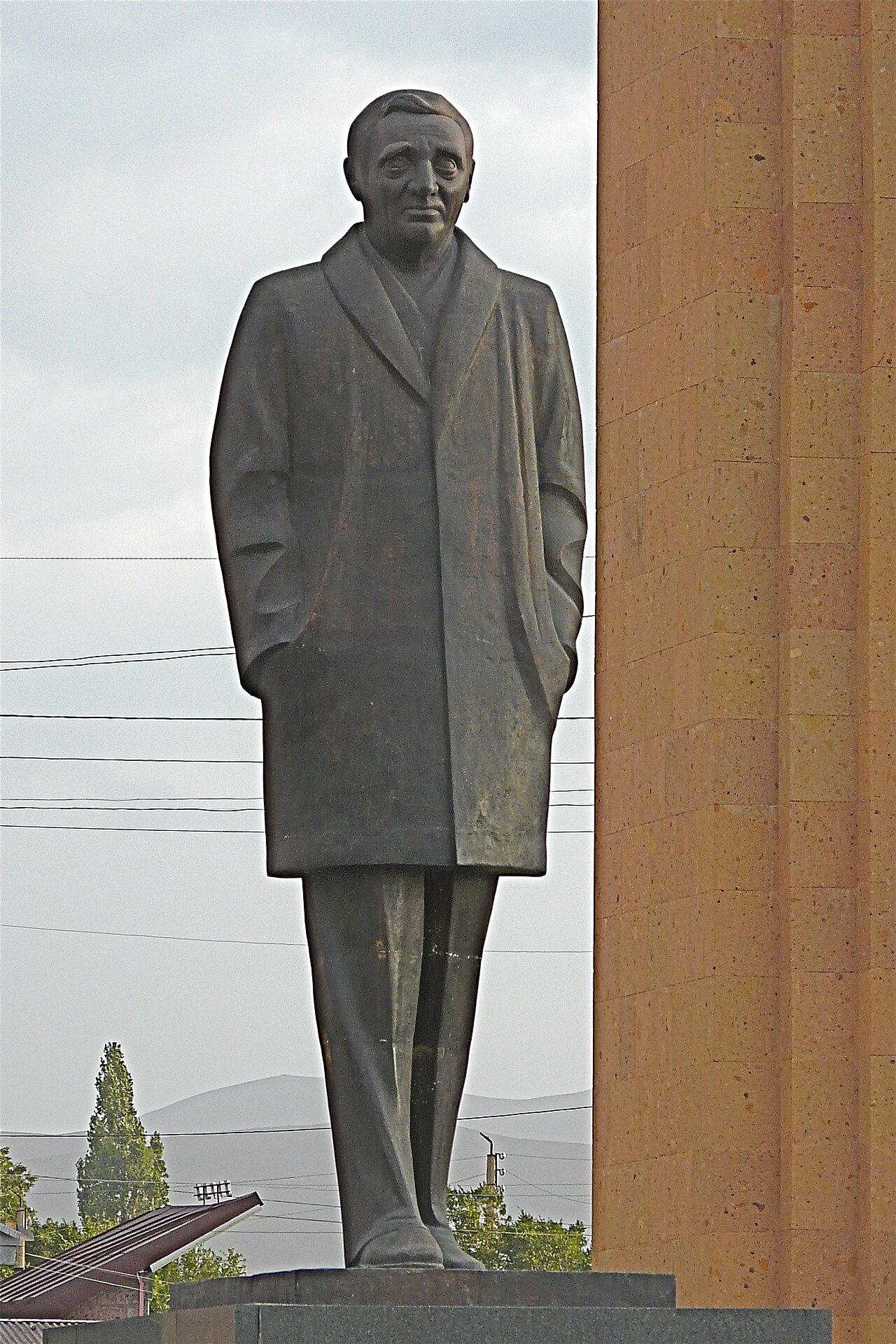
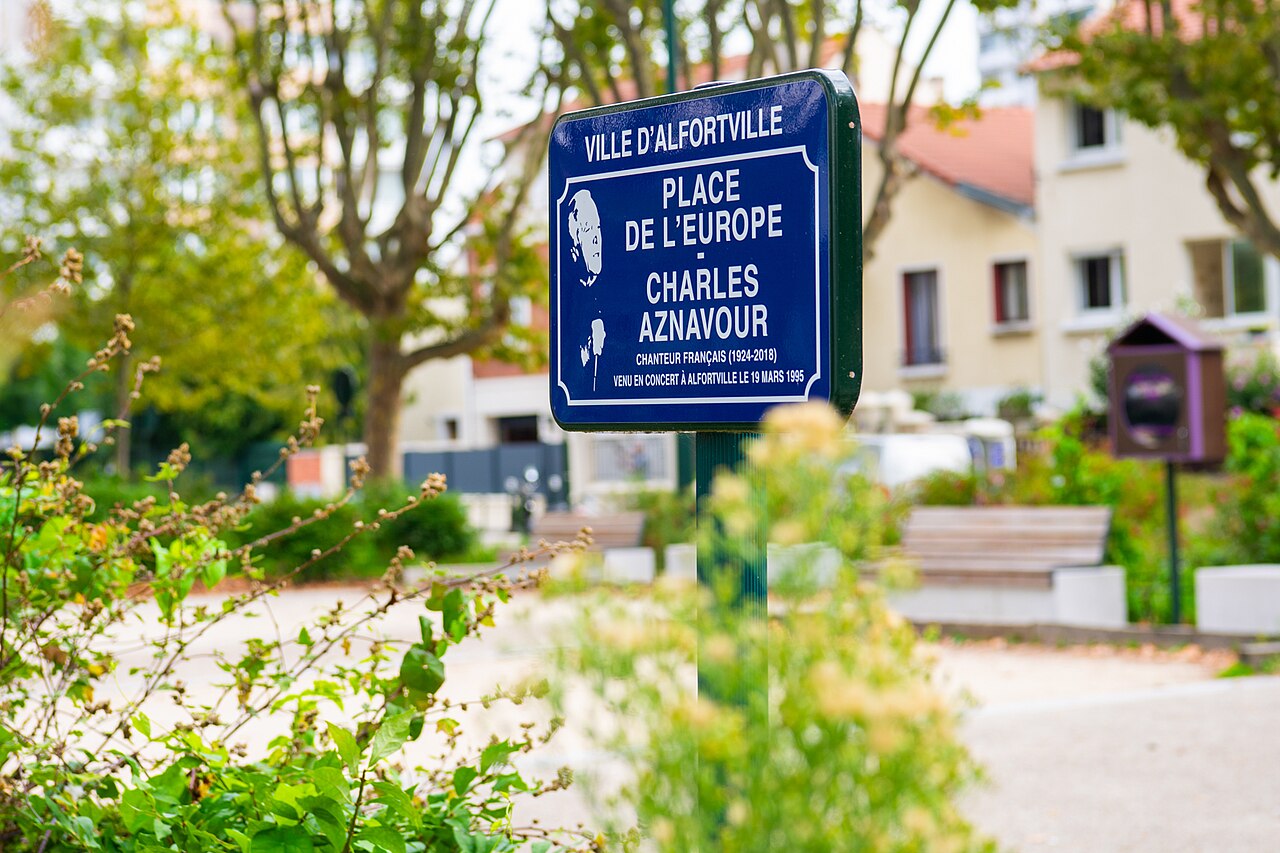
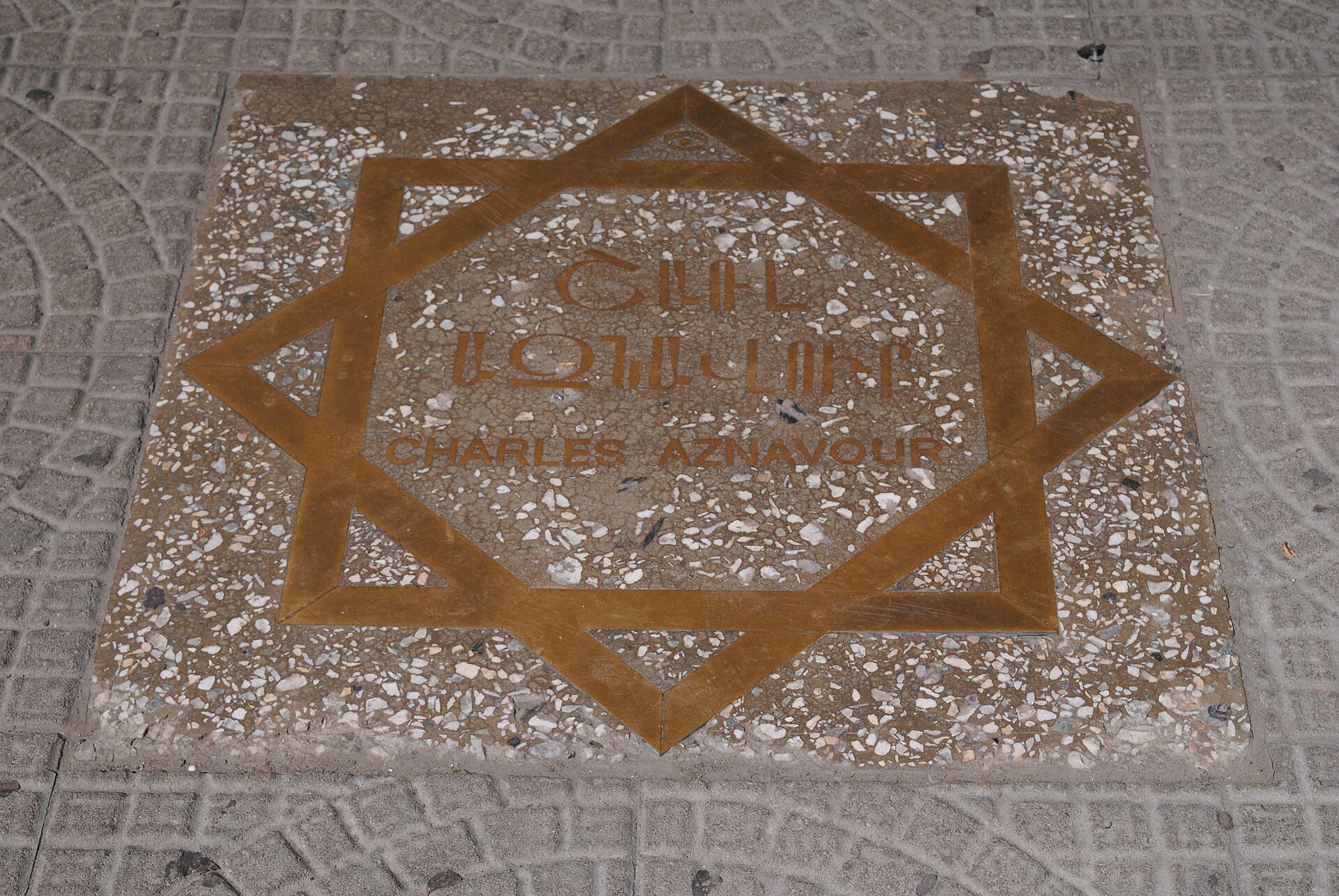
Squares, statues and gardens in two countries — and a museum in the house where he stayed after the earthquake.
Chapter twelve · portraits
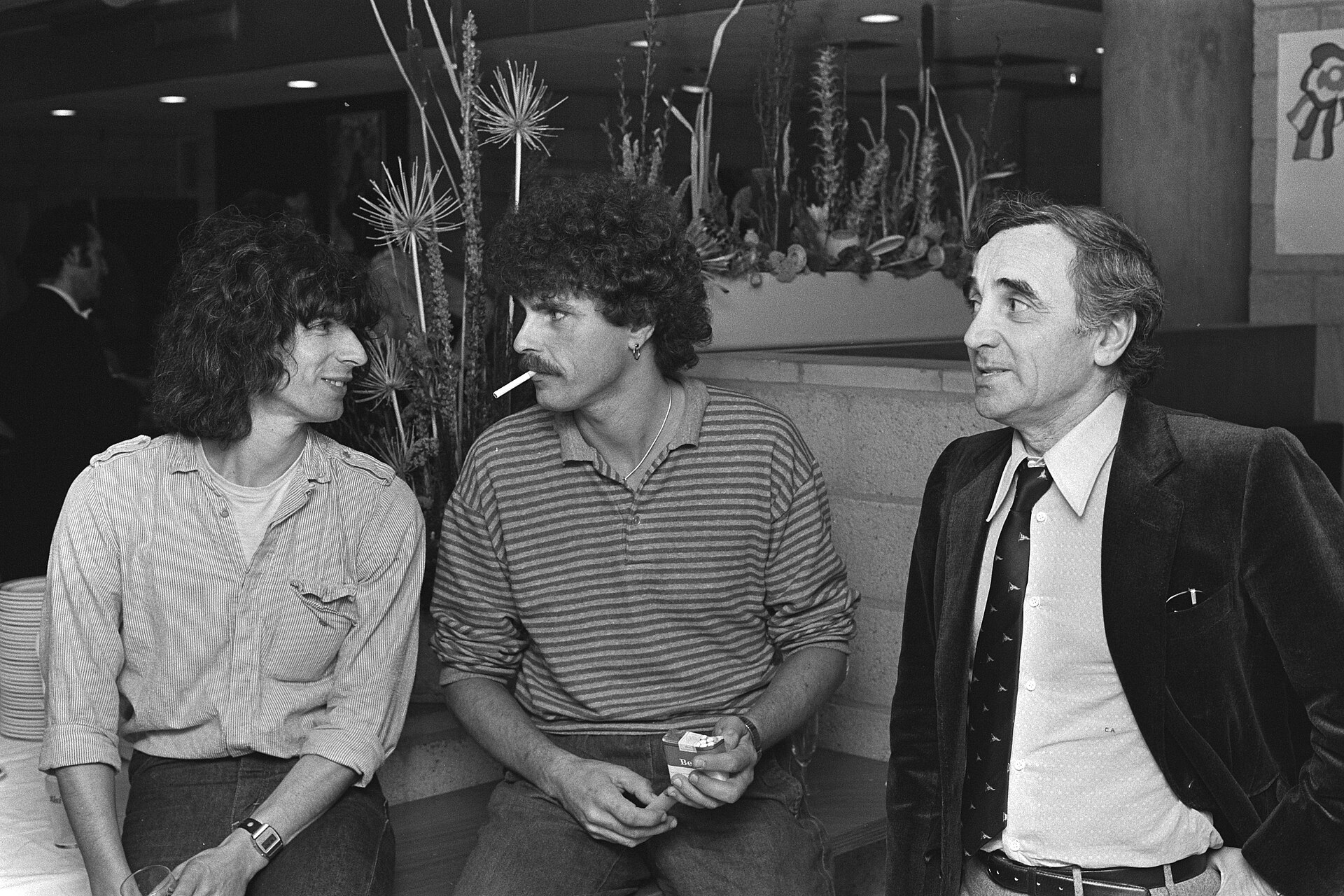
Drag along, then click any photograph to enlarge it.
Chapter thirteen
Between 1974 and 2016 he collected around sixty gold and platinum records. His record company counts total sales of over 180 million units.
5 October 2018 · Les Invalides, Paris
A state funeral under the golden dome. President Macron delivered the eulogy; prime ministers and presidents filled the hall — and from Armenia, President Sargsyan. The coffin left to Emmenez-moi.
“For millions of people, a balm, a remedy, a comfort… For so many decades, he has made our life sweeter, our tears less bitter.”
Emmanuel Macron, eulogy at the Invalides, 5 October 2018
Chapter fourteen
“I like Charles Aznavour a lot. I saw him in sixty-something at Carnegie Hall, and he just blew my brains out.”
Bob Dylan“To me he is an icon. Not only as a singer, but as an actor, as a personality, as a master of chanson.”
Sting“He changed my entire life.”
Liza Minnelli“Monsieur Charles, you will always remain — for me — Formidable.”
Céline Dion, 2 October 2018“Before Aznavour, despair was unpopular.”
Jean Cocteau150 in English, 100 in Italian, 70 in Spanish, 50 in German — and in Russian, Armenian, Neapolitan and Kabyle.
Squares and busts in Yerevan, Gyumri, Shoghakat and Alfortville, and a bronze at the carrefour de l’Odéon in Paris.
“Parce que tu crois” rides through “What’s the Difference” on 2001, with Eminem and Xzibit.
Nathan Chen skated both his programmes to “La Bohème” at the 2022 Winter Games.
The most famous face in Mobile Suit Gundam was named after him by its creator, Yoshiyuki Tomino.
Tahar Rahim plays him in the biographical drama, and a new generation hears the songs again.
Founded with his son Nicolas: education, culture and humanitarian work, continuing what he began.
The repertoire and the mission continue at charlesaznavour.com.
Eight years since the last encore. The voice is gone; the songs are everywhere — in taxis in Paris, in courtyards in Yerevan, in the credits of Notting Hill, and in the mouth of anyone who has ever been twenty and starving and happy.
Merci, Charles.
Շնորհակալություն, Շառլ